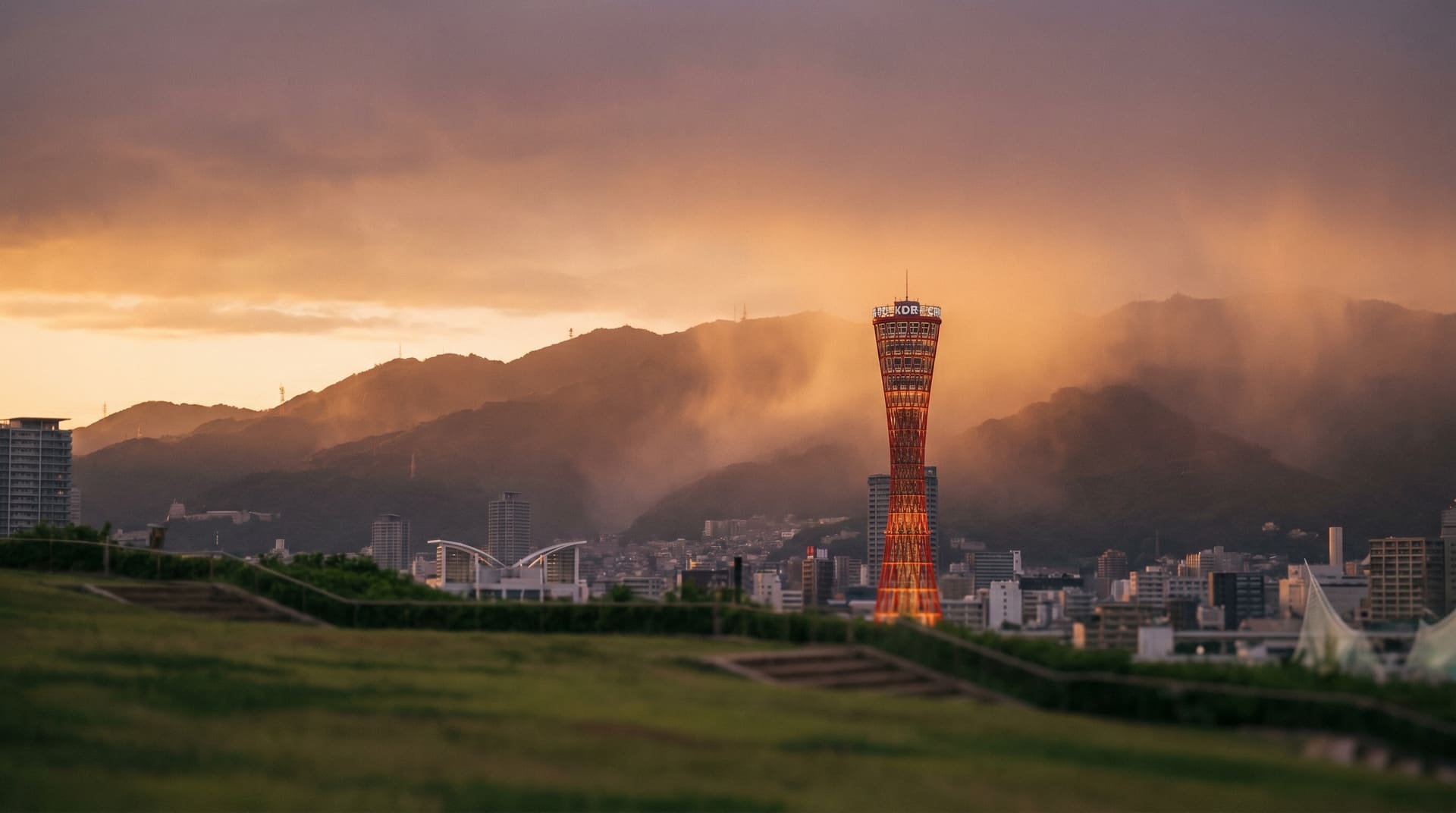
 AI generated
n° 05, asia
Kobe, japan.
For nomads who want Japan with a side of Mitteleuropa, accept the seismic history, and prefer 1995-or-newer buildings.
- cost / mo
- $963
- internet
- 400 Mbps
- visa-free · eu
- 90 days
straight answers about Kobe
the scores
Four perspectives on city fit.
Open any score for a plain-language view of the city's strengths and tradeoffs.
your monthly budget
default $700–$4,500 range · drag to personalize
score priority
balanced across the factors that matter
Scores adapt to your selected budget and priority. Each ring is clickable for a plain-language breakdown of the city's strengths and tradeoffs.
monthly cost · solo nomad
Tier 2 · country baseline + verified rentRent · central 1 BR | $321 |
Food · groceries + modest dining | $320 |
Mobile · 20 GB plan | $28 |
Utilities · electricity + heat + water | $140 |
Transit · monthly pass regional avg fallback | $18 |
Coworking · 4 days/month baseline | $48 |
Buffer · 10% for variance + occasional weekend trips | $88 |
Total solo burn | $963 |
Tier 1 = all components verified for this city/country; Tier 2 = rent verified + country-baseline components; Tier 3 = approximate. Solo nomad baseline assumes one person, central 1-bedroom, modest groceries, 20 GB mobile, 4 paid coworking days/month. Where the rent basis above notes a private-market premium, expat condo budgets run higher than this baseline.
in one sentence · curated
ExpatWhy editorial.
Kobe is the most internationally-coded city in Japan, a working port that opened to foreigners in 1868, still has a Western Quarter, and rebuilt itself entirely after the 1995 M6.9 earthquake.
editorial
The case & the friction.
The case is the air the city carries: a 150-year continuous foreign-resident community, Kitano-cho with its surviving Western houses, jazz culture (Japan’s first jazz cafe opened here in 1923), and the Rokko mountain range rising directly behind a working port. Rent is roughly 20% cheaper than Osaka for comparable apartments; the city is fully walkable along the harbor axis. Sannomiya and Motomachi are the central nomad-friendly districts.
Same Japan visa picture: 90 days visa-free for most passports, DNV at high floor and 6 months. English is more accessible than most Japanese cities because of the legacy international community, though business still runs in Japanese. The port-and-mountain geography means everything is a 15-minute walk or a single train ride.
The honest friction is seismic exposure. The 1995 Great Hanshin earthquake killed 6,434 and destroyed the city; reconstruction was completed by 2005, all buildings post-1995 are engineered to current code, but it is worth understanding the history before signing a long lease. The historical record includes dozens of M5+ events within 200 km in 50 years. Air is clean, climate is mild, summers are hot. No tropical-storm exposure to speak of.
verdict
For nomads who want Japan with a side of Mitteleuropa, accept the seismic history, and prefer 1995-or-newer buildings.
work & connectivity
Getting work done.
work-friendly density · OSM
Sparse for laptop work.
coworking spaces
2
wifi cafés
2
In practice: Light infrastructure (2 coworking, 2 wifi cafés on OSM), bring a fast local SIM as your fallback, and pick accommodation with a proper desk.
© OpenStreetMap contributors · ODbL 1.0
tax & stay reality · Japan
Tax resident from 183 days in any 12-month period.
residency trigger
183
days in any 12 months
top marginal rate
45%
on highest bracket
scope
Remittance
Limited / remittance-based
expat / nomad regime
Non-permanent resident status (first 5 years), foreign-source income NOT remitted to Japan is exempt.
tax treaty with
Japan's non-permanent resident regime gives 5 years of partial protection. After 5 years cumulative residency in 10, full worldwide taxation applies. DNV visa holders rarely cross the line at 6 months.
Sources: country tax authority + Wikipedia "Taxation in Japan" (CC-BY-SA) · last reviewed 2026-05-22.
Verifywhen to visit
Twelve months of weather.
best month
Sep
Visit in September, 27°C, only 56mm of rain.
Off-season May–June, monsoon brings 311mm/month, and hotel rates typically drop 20–40% from peak.
temperaturerainfallcurrent monthbest month
air quality · 12 months verified
When the air turns.
Hourly PM2.5 averaged by calendar month from modelled atmospheric data, window 2025-07-08 → 2026-07-07. WHO annual guideline is 5 µg/m³.
annual mean
17.2µg/m³
Moderate
worst month
Jul · 23 µg/m³
Moderate
cleanest month
Oct · 10 µg/m³
Good
annual swing
13 µg/m³
Stable year-round
Cleanest air in October (10 µg/m³); worst in July (23 µg/m³).
Annual mean 17.2 µg/m³ is moderate, sensitive groups (asthma, kids, elderly) should time longer stays to the cleaner half of the year.
Modelled, not measured at a station: near coasts atmospheric models can count sea salt as PM2.5 and read high against ground networks. Read the curve, not the absolute.
natural risk
The numbers other sites don't show.
seismic risk · 50 yr · 200 km
Low seismic exposure.
M5+ events
67
M6+ events
5
largest
M7.2
Largest recorded: M7.2 in 1984.
In practice: Real seismic exposure (67 M5+ and 5 M6+ in 50 years), long stays should factor in earthquake insurance, building age, and a basic preparedness kit.
tropical storms · 46 yr · 200 km
High cyclone exposure.
named storms
88
cat 1+ hurricanes
34
In practice: 88 named storms and 34 cat 1+ hurricanes in 46 years, avoid sea-side stays mid-August through October, and book flexible flights if you must travel in season.
–Kobe is the most internationally-coded city in Japan, a working port that opened to foreigners in 1868, still has a Western Quarter, and rebuilt itself entirely after the 1995 M6.9 earthquake.
quality of life
Less than an hour of overlap with the European workday, night calls only.
0
hours / day
Local timezone vs Berlin 09:00–17:00 · Asia/Tokyo
country-level rights indicator
country-level safety indicator
12-month modelled average
derived from monthly rainfall
vs Berlin 09–17 · Asia/Tokyo
moving with family
Bringing kids? The school-fee reality.
showhide
moving with family
Bringing kids? The school-fee reality.
family education · annual tuition
International primary school in Kobe costs about
$1,667 / month for 1 child, international primary.
Range for 1 child: $15,000 to $28,000 / year (mid-market to premium).
adjust
children
stage
Tuition only. Excludes one-off enrolment/capital levies, school bus, lunch, uniforms and exam fees, which add materially at most schools.
–For nomads who want Japan with a side of Mitteleuropa, accept the seismic history, and prefer 1995-or-newer buildings.
ExpatWhy editorial
what to know
Pros & cons.
pros
- Budget-friendly for solo nomads
- Fast residential internet
- Very safe for travelers
cons
- Costly for families
- Very humid most of the year
visa & stay
How long can you stay?
- digital nomad visa
- No, not yet
- visa-free for EU passport
- 90 days
- visa-free for US passport
- 90 days
visa figures as of August 2026 · verify with official immigration sources before traveling
before you go
What to plan around.
Drawn only from the verified figures on this page, the things worth knowing before you book.
Pronounced wet season
Rain peaks around May, Jun & Jul, up to 311 mm in the wettest month. Time a visit for the drier half of the year.
Seismically active region
5 quakes of M6+ within 200 km over 50 years (strongest M7.2). Know your building's earthquake rating before signing a lease.
Tropical storm exposure
34 hurricanes and 88 tropical storms passed within 200 km over 46 years. Avoid peak storm season and check that travel insurance covers weather disruption.
compare side-by-side
Kobe versus three popular alternatives.
you might also like
Where to go next.
Closer on the map, closer on the wallet, or closer on the way it feels.
closest on the map
Other cities in East Asia.
Same sub-region, short flights, similar climate, comparable visa landscape.
asia
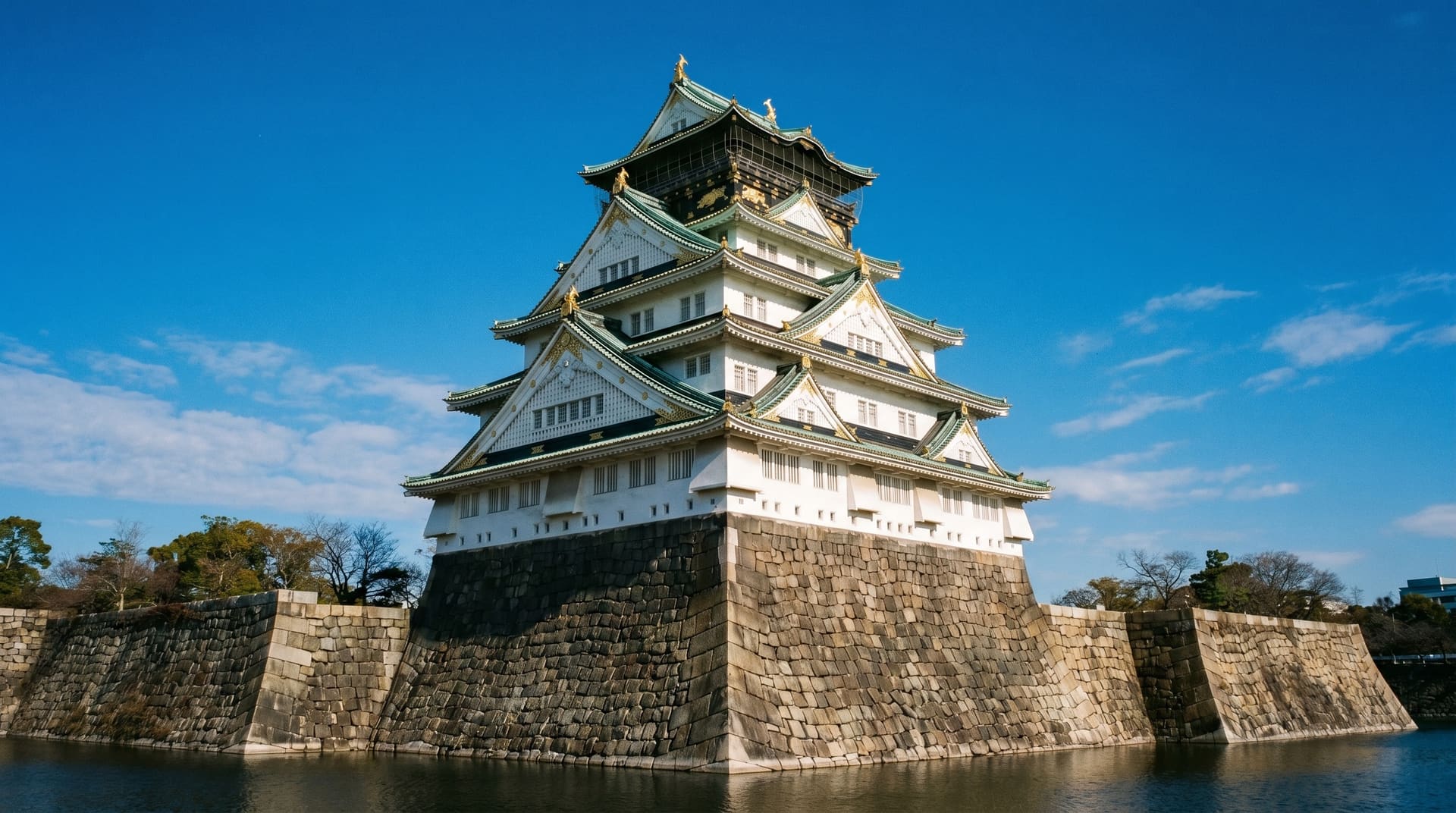
8.6Osaka, japan.
A budget asia option with workable visa-free EU access.
asia
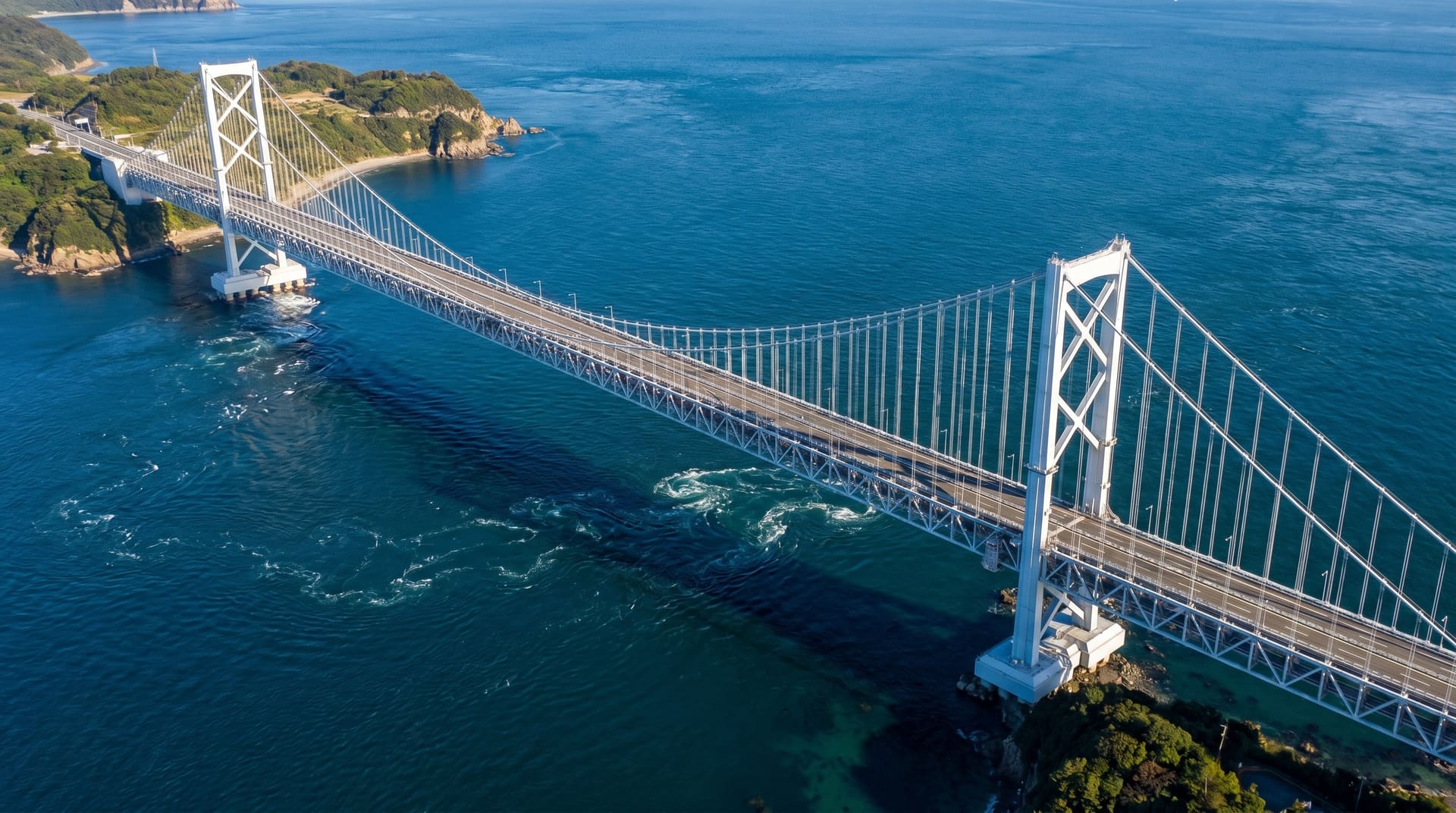
8.5Tokushima, japan.
A budget asia option with workable visa-free EU access.
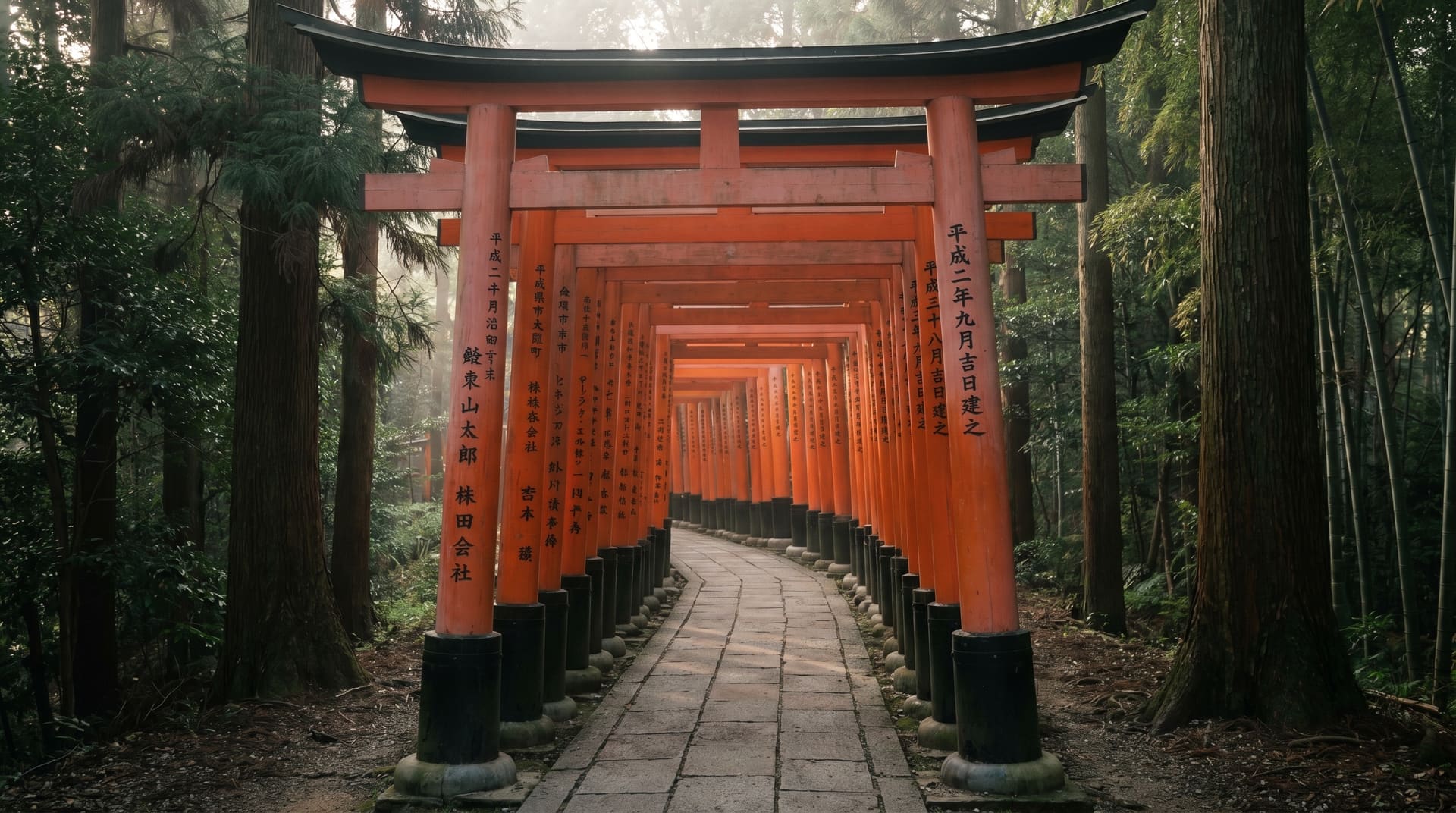
asia
8.4Kyoto, japan.
A budget asia option with workable visa-free EU access.
closest on the wallet
Other budget cities, different continent.
Same band as Kobe, budget (under $1,500/mo), outside asia.
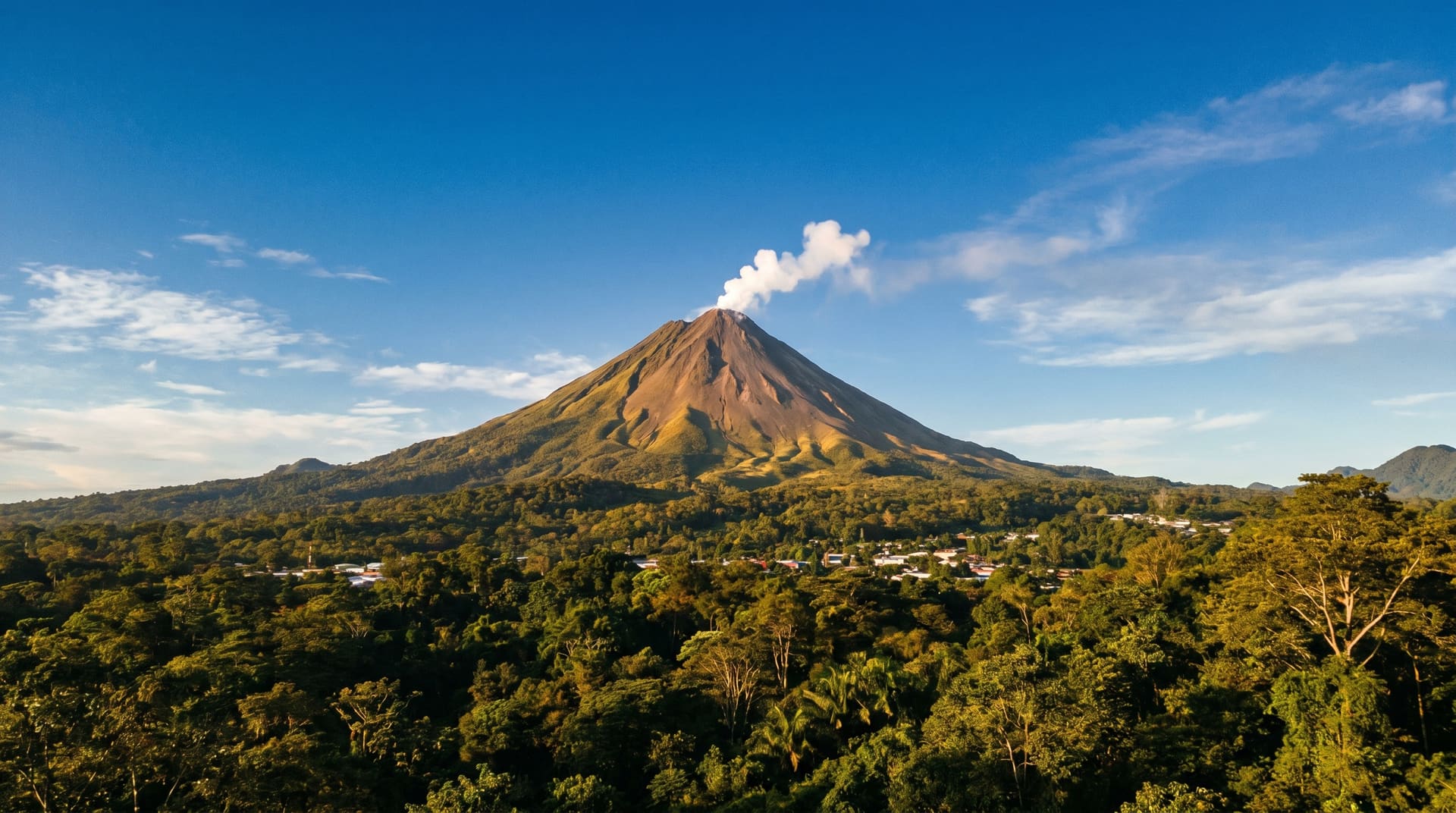
latin america
7.2La Fortuna, costa rica.
A budget latin america option with a nomad-visa pathway.
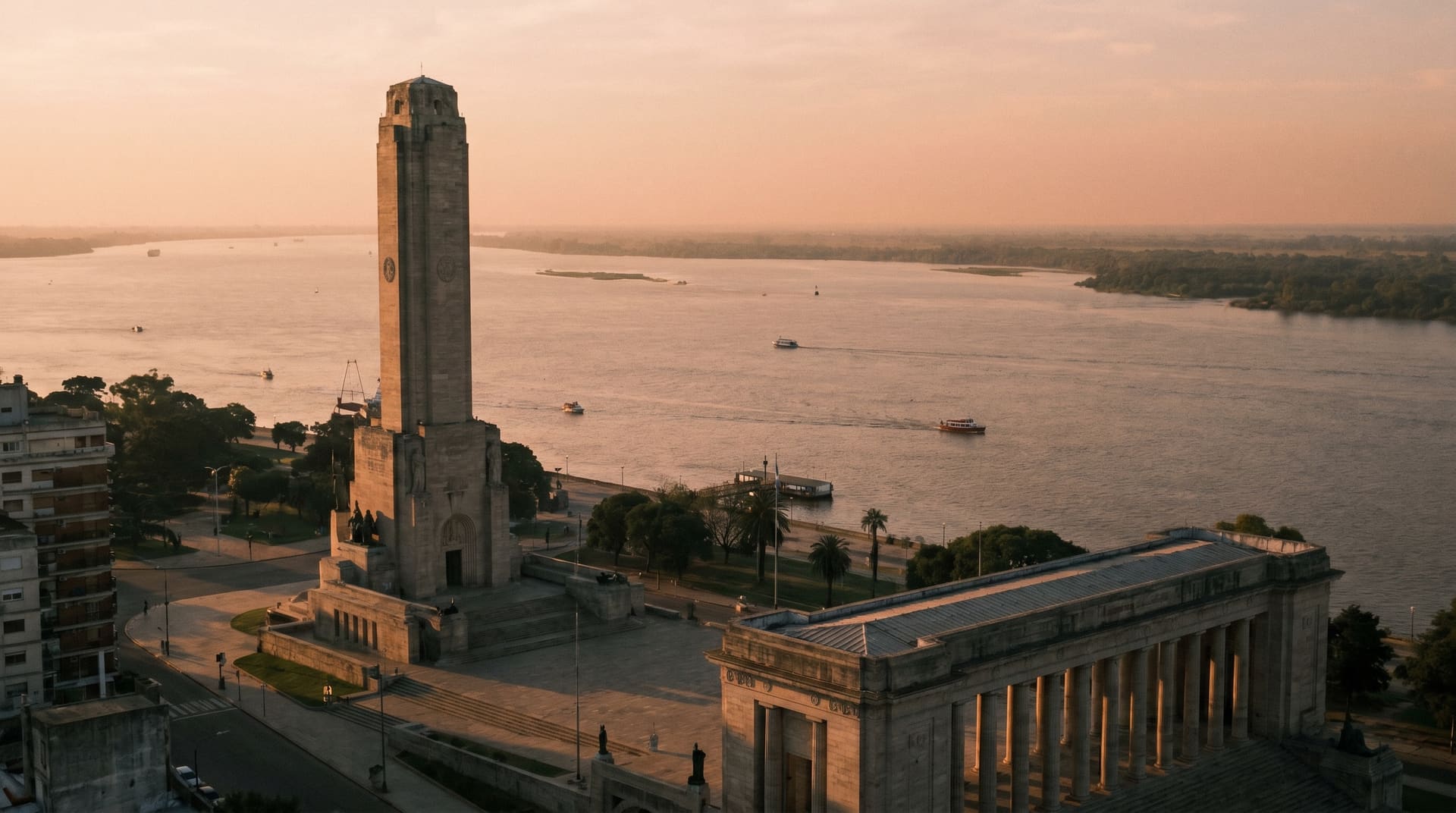
latin america
7.1Rosario, argentina.
A budget latin america option with a nomad-visa pathway.
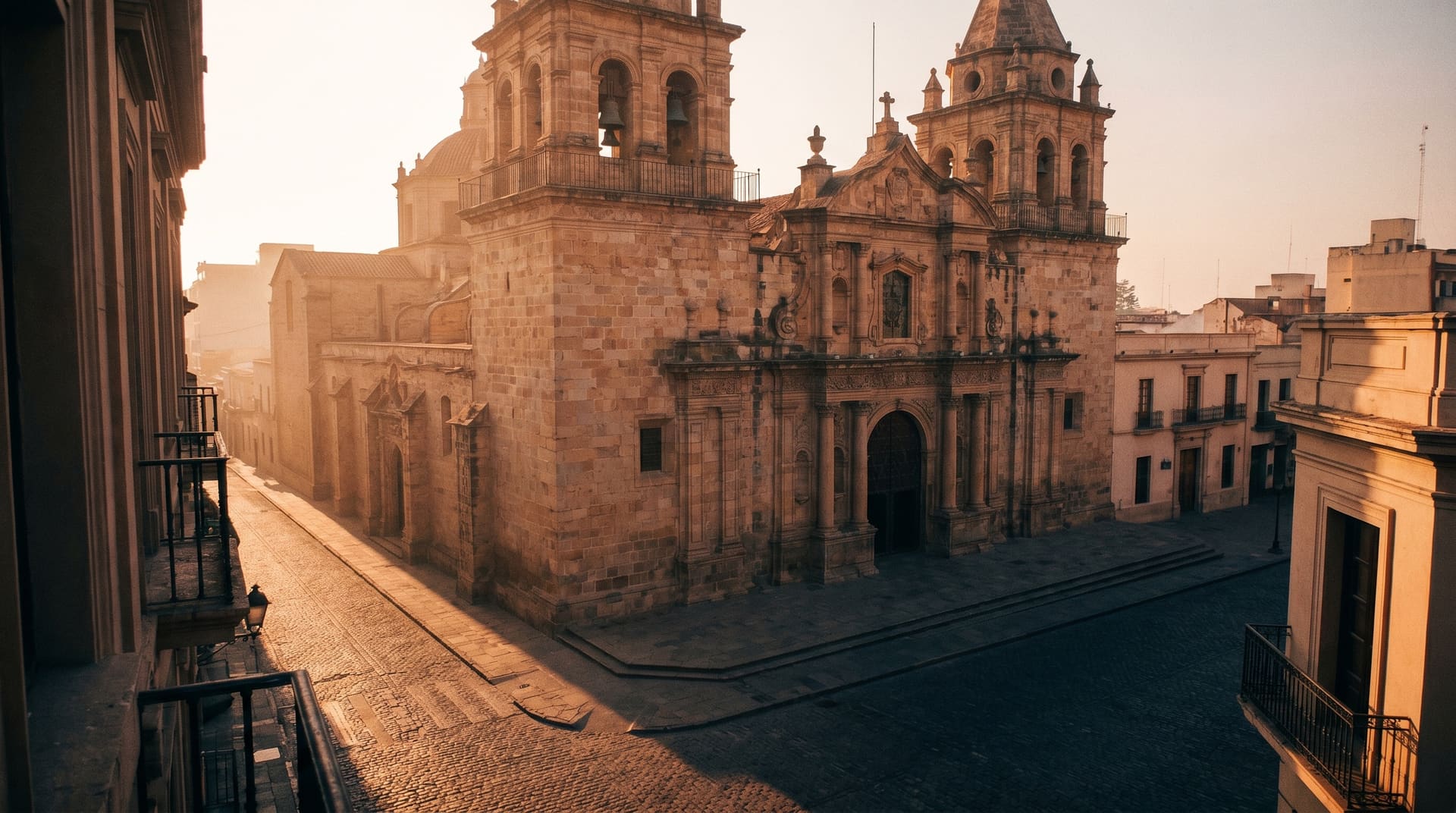
latin america
7.2Córdoba, argentina.
A budget latin america option with a nomad-visa pathway.
closest on the way it feels
Same wellbeing, different climate.
Cities that score like Kobe on quality-of-life but trade mediterranean for something else.
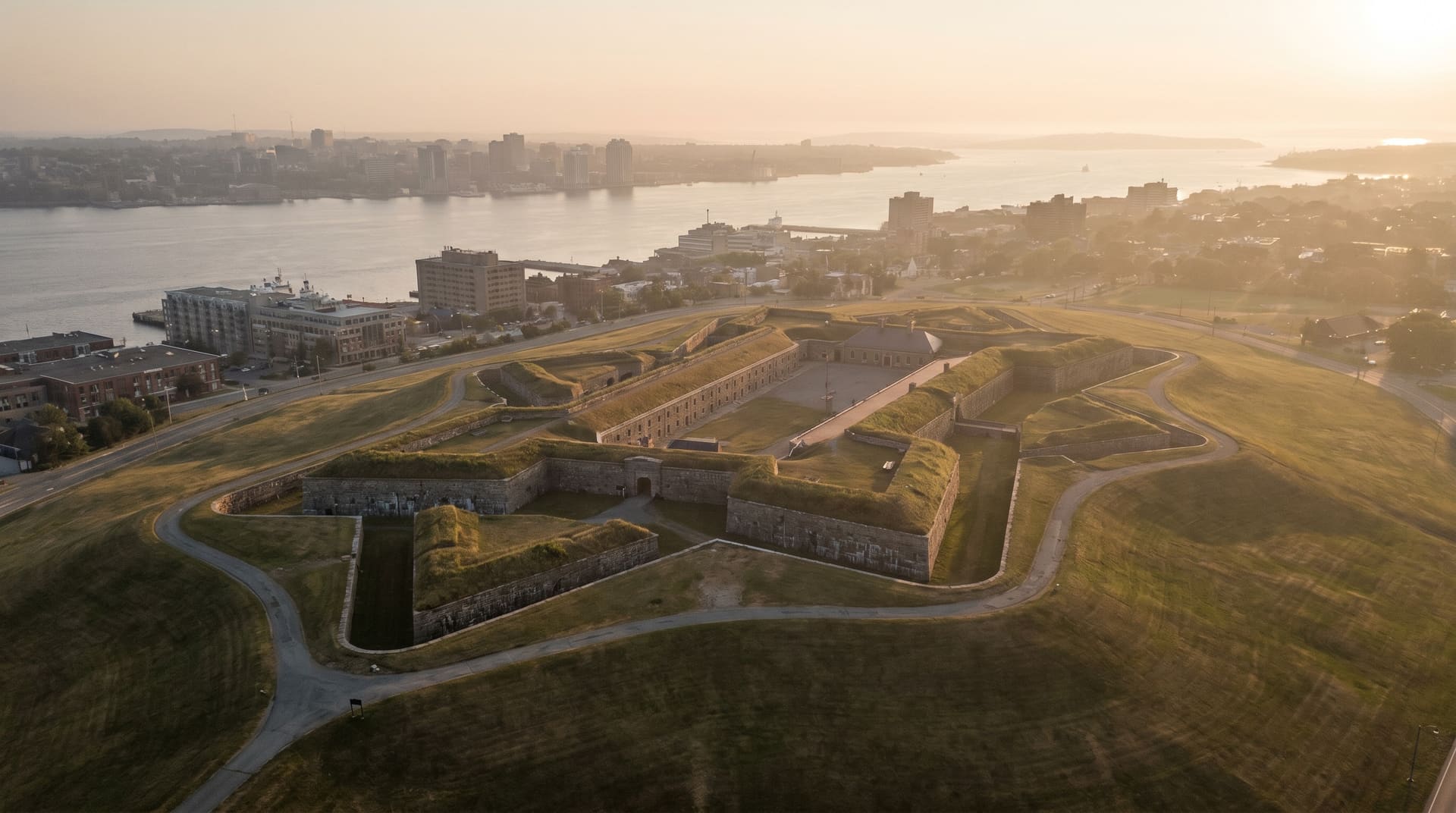
north america
8.1Halifax, canada.
A mid-tier north america option with workable visa-free EU access.
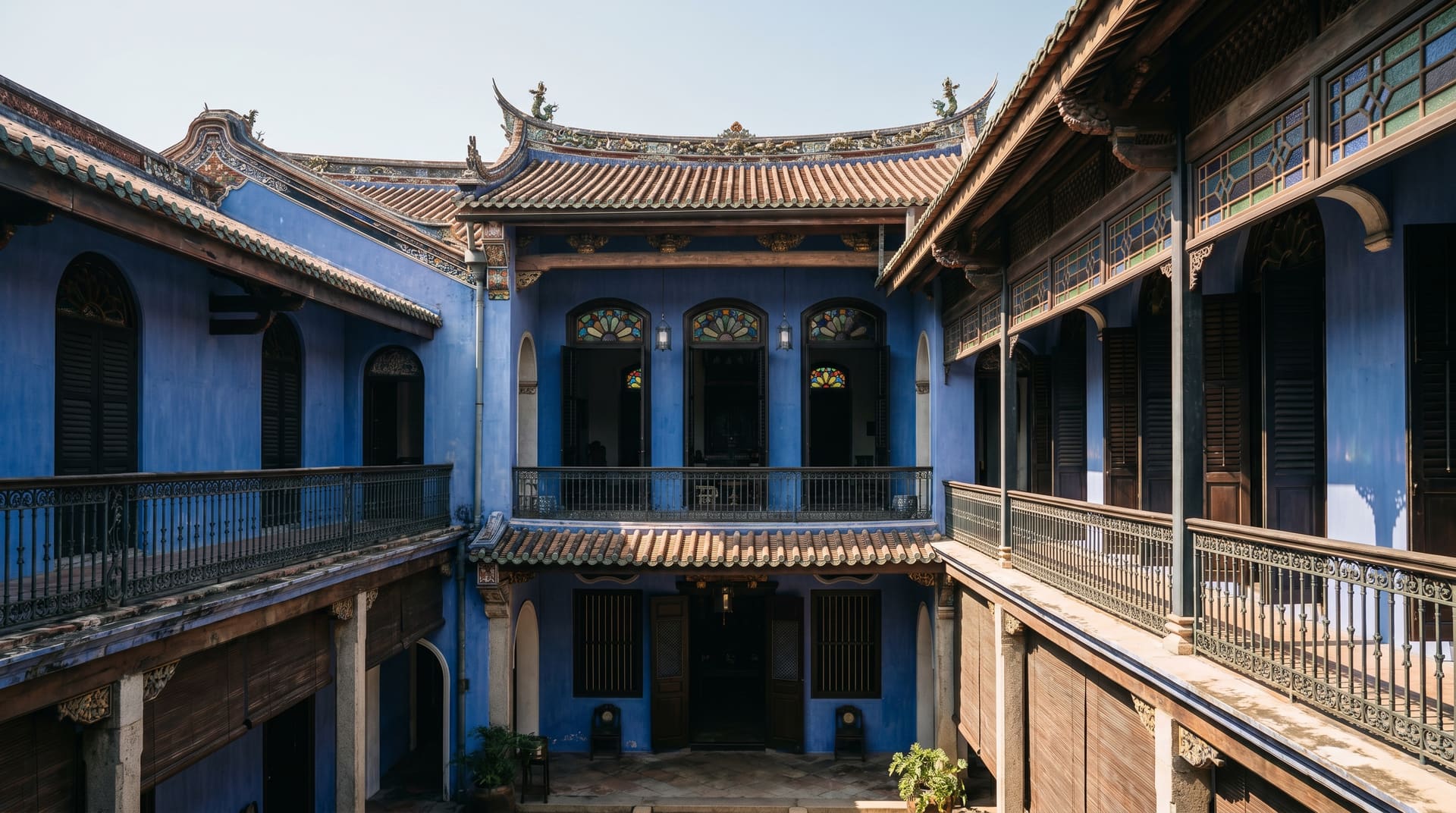
asia
8.1George Town, malaysia.
A budget asia option with a nomad-visa pathway.
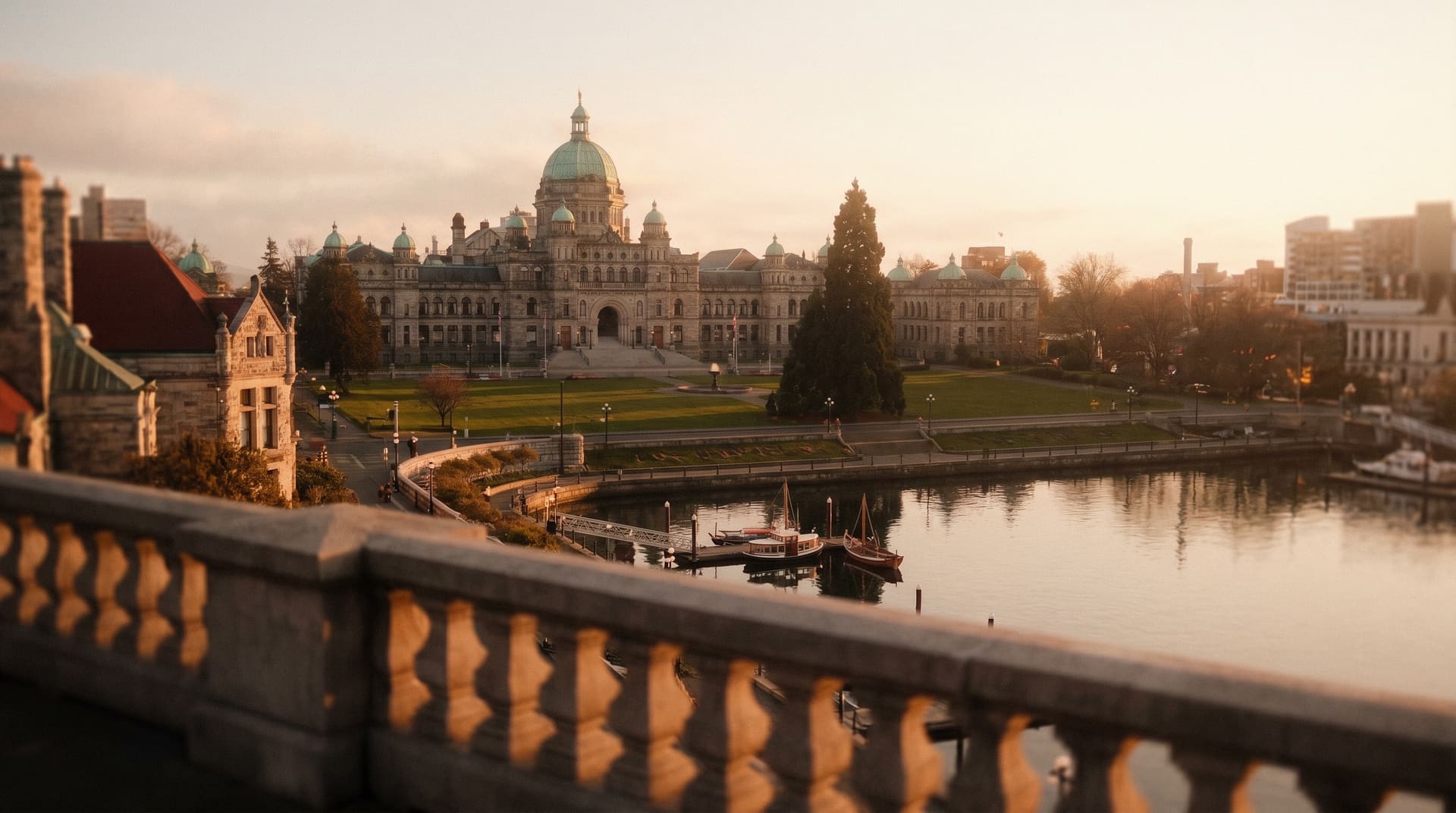
north america
8.0Victoria, canada.
A mid-tier north america option with workable visa-free EU access.
where Kobe ranks
Kobe also makes these lists.
The cheapest cities for digital nomads
solo nomads live for ~$963/mo here
Cities with the fastest internet for remote work
400 Mbps country median internet
The safest cities for digital nomads
8.3/10 safety score
The sunniest cities for digital nomads
3,116 sun hours / year
Cities with dedicated nomad / expat tax regimes
Non-permanent resident status (first 5 years), foreign-source income NOT remitted to Japan is exempt.
frequently asked
Kobe, honest answers.
- How much does it cost to live in Kobe per month?
- A solo nomad in Kobe runs roughly $963/month, broken down as rent $321 (verified), food $320, mobile $28, utilities $140, transit $18, plus coworking and a 10% buffer. That puts it in the budget tier globally.
- How much does international school cost in Kobe?
- International primary school in Kobe costs about $20,000/year per child (range $15,000 to $28,000, mid-market to premium), a national-average baseline for Japan applied to Kobe, not a quote from a specific school here. Full-day international preschool runs about $12,000/year per child. International secondary is higher: we model it around $26,000/year per child as a grade uplift over primary, a modelled estimate, not a separately sourced figure. Tuition only; it excludes one-off enrolment/capital levies, bus, lunch, uniforms and exam fees, which add materially at most schools.
- What is the tax situation for nomads in Japan?
- Tax residency triggers at 183 days in any 12-month period. Foreign income is taxed only when remitted in (limited / remittance basis). Top marginal personal income tax is 45%. Non-permanent resident status (first 5 years), foreign-source income NOT remitted to Japan is exempt. Verify current details at the country's tax authority, link on the city's Tax & Stay card.
- What visa do I need to live in Kobe?
- EU passports get 90 days visa-free; US passports get 90 days. Longer stays require a residence permit or remote-worker visa, verify at the country's official immigration site.
- How is the air quality in Kobe?
- Annual PM2.5 averages 17 µg/m³, which elevated, sensitive groups should track monthly variation. The 12-month curve on this page shows the seasonal swing, many cities have a sharp burning season or winter inversion that doesn't show in the annual number.
- Is Kobe safe for solo female travelers?
- Japan scores 8.0/10 on the women's-safety indicator, very safe by international standards. Country-level scores; major cities often differ from country averages, especially by neighborhood.
- When is the best time to visit Kobe?
- Sep typically scores best on our combined comfort index, average temperature 27°C, low rainfall, high sunshine. Each city's Climate Chart on this page shows the full 12-month picture.
- Are there earthquakes in Kobe?
- Yes, the historical record includes 67 M5+ earthquakes and 5 M6+ within 200 km over the last 50 years. The largest was M7.2 in 1984. Modern buildings in major cities are engineered for this; factor it into long-stay decisions.
where it is
Kobe on the map.
Kobe, Japan, Asia.
34.6901, 135.1955
Map tiles & data © OpenStreetMap contributors.