 AI generated
n° 261, latin america
Basse-Terre, guadeloupe.
For volcano hikers and French-speakers wanting the wet working capital. Skip if you came for beaches, head to Grande-Terre.
- cost / mo
- $604
- internet
- 25 Mbps
- visa-free · eu
- ∞
straight answers about Basse-Terre
the scores
Four perspectives on city fit.
Open any score for a plain-language view of the city's strengths and tradeoffs.
your monthly budget
default $700–$4,500 range · drag to personalize
score priority
balanced across the factors that matter
Scores adapt to your selected budget and priority. Each ring is clickable for a plain-language breakdown of the city's strengths and tradeoffs.
monthly cost · estimate
$604/mo
Component-level data not yet collected for this city.
in one sentence · curated
ExpatWhy editorial.
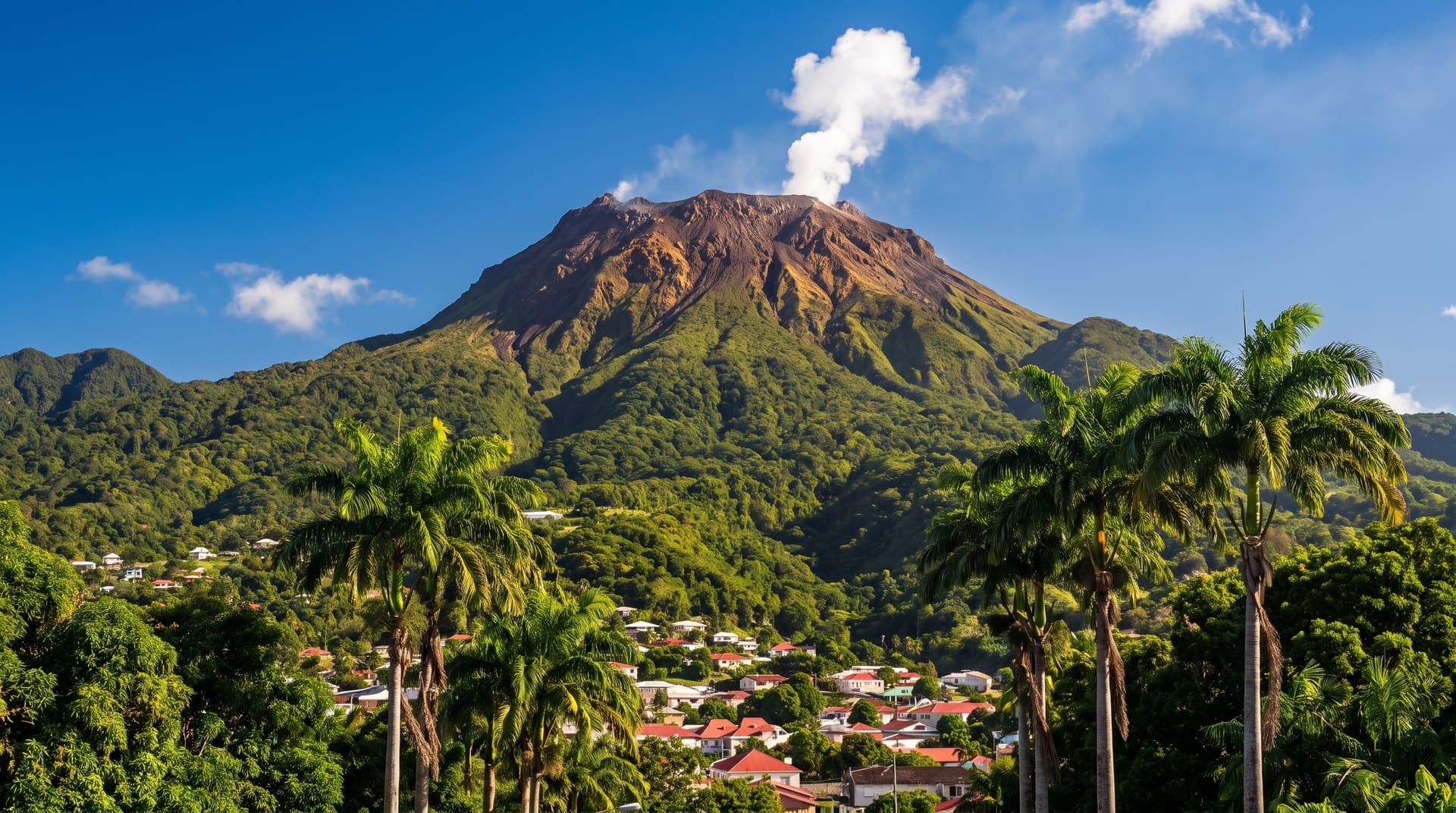
Basse-Terre is the volcano-shadowed administrative capital of Guadeloupe, French, Creole, and ignored by most travelers who fly into Pointe-à-Pitre and never come south.
editorial
The case & the friction.
ExpatWhy editorial
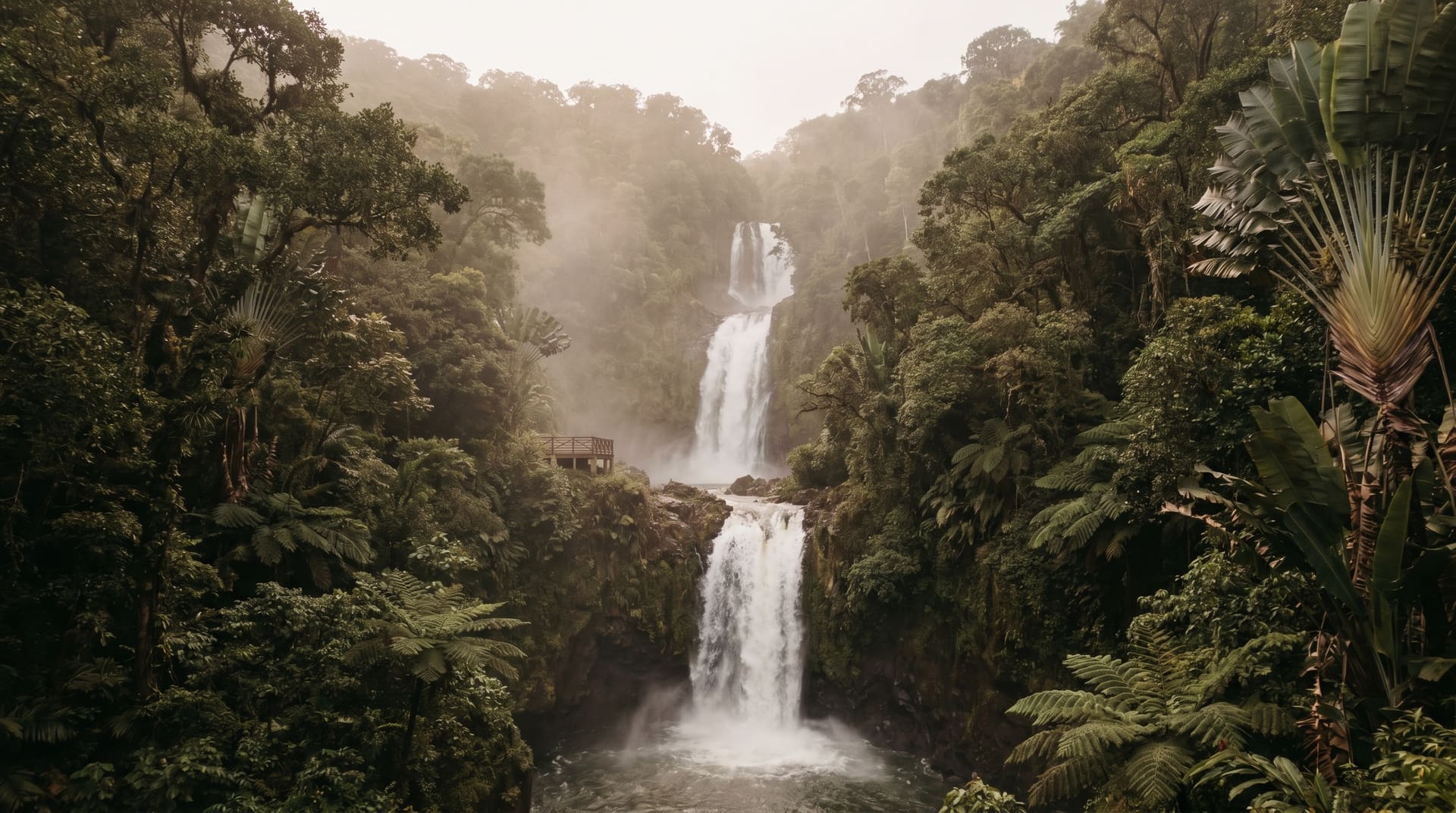
A one-bedroom near the historic center runs €700–€1,100, and a Creole lunch with accras and colombo costs €15–€22. Guadeloupe is a French overseas department, so the euro is currency, French law applies, and supermarkets carry the same Carrefour stock as Marseille. La Soufrière, the 1,467m active stratovolcano that gives the town its constant rain-and-sulfur backdrop, sits directly above. The Carbet Falls (Chutes du Carbet) three-tier waterfall in the national park is the day-hike. Fort Delgrès commemorates the 1802 anti-slavery resistance.
The friction is the climate the volcano creates. Basse-Terre Island's western flank is the wettest part of Guadeloupe, La Soufrière catches the trade winds and dumps 6,000mm of rain a year on the upper slopes; Basse-Terre town gets a relentless 2,000mm. Hurricane season runs June–November with August–October peak, Maria devastated parts of the island in 2017 and Beryl tracked close in 2024.
As a French department, Schengen rules apply: EU passports walk in, US/UK/CA passports get 90 days in any 180-day Schengen period. French is required; English coverage is thin outside dive shops. Healthcare is fully French-standard. The capital has been losing population to Pointe-à-Pitre for decades, expect a quiet, slightly faded administrative town, not a resort.
Verdict: For volcano hikers, French-speakers, and anyone wanting the wet, working side of Guadeloupe. Not for beach-first travelers, Grande-Terre's southern coast (Sainte-Anne, Saint-François) is where the postcards happen.
verdict
For volcano hikers and French-speakers wanting the wet working capital. Skip if you came for beaches, head to Grande-Terre.
work & connectivity
Getting work done.
work-friendly density · OSM
Untagged or thin for laptop work.
coworking spaces
1
wifi cafés
0
OSM tagging coverage in Latin America is uneven, real density is likely higher than shown. Cross-check on the ground.
In practice: Light infrastructure (1 coworking, 0 wifi cafés on OSM), bring a fast local SIM as your fallback, and pick accommodation with a proper desk.
© OpenStreetMap contributors · ODbL 1.0
when to visit
Twelve months of weather.
best month
Feb
Visit in February, 25°C, only 64mm of rain.
Off-season July–August, weather turns to 27°C and 168mm of rain, and hotel rates typically drop 20–40% from peak.
temperaturerainfallcurrent monthbest month
air quality · 12 months verified
When the air turns.
Hourly PM2.5 averaged by calendar month from modelled atmospheric data, window 2025-07-08 → 2026-07-07. WHO annual guideline is 5 µg/m³.
annual mean
7.4µg/m³
Good
worst month
Jun · 12 µg/m³
Good
cleanest month
Nov · 5 µg/m³
Good
annual swing
7 µg/m³
Stable year-round
Cleanest air in November (5 µg/m³); worst in June (12 µg/m³).
Annual mean is well within WHO targets, no special precautions needed.
Modelled, not measured at a station: near coasts atmospheric models can count sea salt as PM2.5 and read high against ground networks. Read the curve, not the absolute.
natural risk
The numbers other sites don't show.
seismic risk · 50 yr · 200 km
Low seismic exposure.
M5+ events
86
M6+ events
6
largest
M7.4
Largest recorded: M7.4 in 2007.
In practice: Real seismic exposure (86 M5+ and 6 M6+ in 50 years), long stays should factor in earthquake insurance, building age, and a basic preparedness kit.
tropical storms · 46 yr · 200 km
Moderate cyclone exposure.
named storms
47
cat 1+ hurricanes
13
In practice: 13 cat 1+ hurricanes in 46 years, late-summer travel carries real disruption risk; flexible booking pays for itself.
–Basse-Terre is the volcano-shadowed administrative capital of Guadeloupe, French, Creole, and ignored by most travelers who fly into Pointe-à-Pitre and never come south.
quality of life
Sun for more than three thousand hours a year, almost no grey winter.
3,975
hours
Modelled 12-month sum
country-level rights indicator
country-level safety indicator
12-month modelled average
derived from monthly rainfall
vs Berlin 09–17 · America/Guadeloupe
–For volcano hikers and French-speakers wanting the wet working capital. Skip if you came for beaches, head to Grande-Terre.
ExpatWhy editorial
what to know
Pros & cons.
pros
- Budget-friendly for solo nomads
- Low air pollution (annual PM2.5)
- 1+ year visa-free for EU passports
cons
- Slow average internet speeds
- Very humid most of the year
visa & stay
How long can you stay?
- digital nomad visa
- No, not yet
- visa-free for EU passport
- ∞
- visa-free for US passport
- 90 days
visa figures as of August 2026 · verify with official immigration sources before traveling
before you go
What to plan around.
Drawn only from the verified figures on this page, the things worth knowing before you book.
Seismically active region
6 quakes of M6+ within 200 km over 50 years (strongest M7.4). Know your building's earthquake rating before signing a lease.
Tropical storm exposure
13 hurricanes and 47 tropical storms passed within 200 km over 46 years. Avoid peak storm season and check that travel insurance covers weather disruption.
compare side-by-side
Basse-Terre versus three popular alternatives.
you might also like
Where to go next.
Closer on the map, closer on the wallet, or closer on the way it feels.
closest on the wallet
Other budget cities, different continent.
Same band as Basse-Terre, budget (under $1,500/mo), outside latin america.
asia
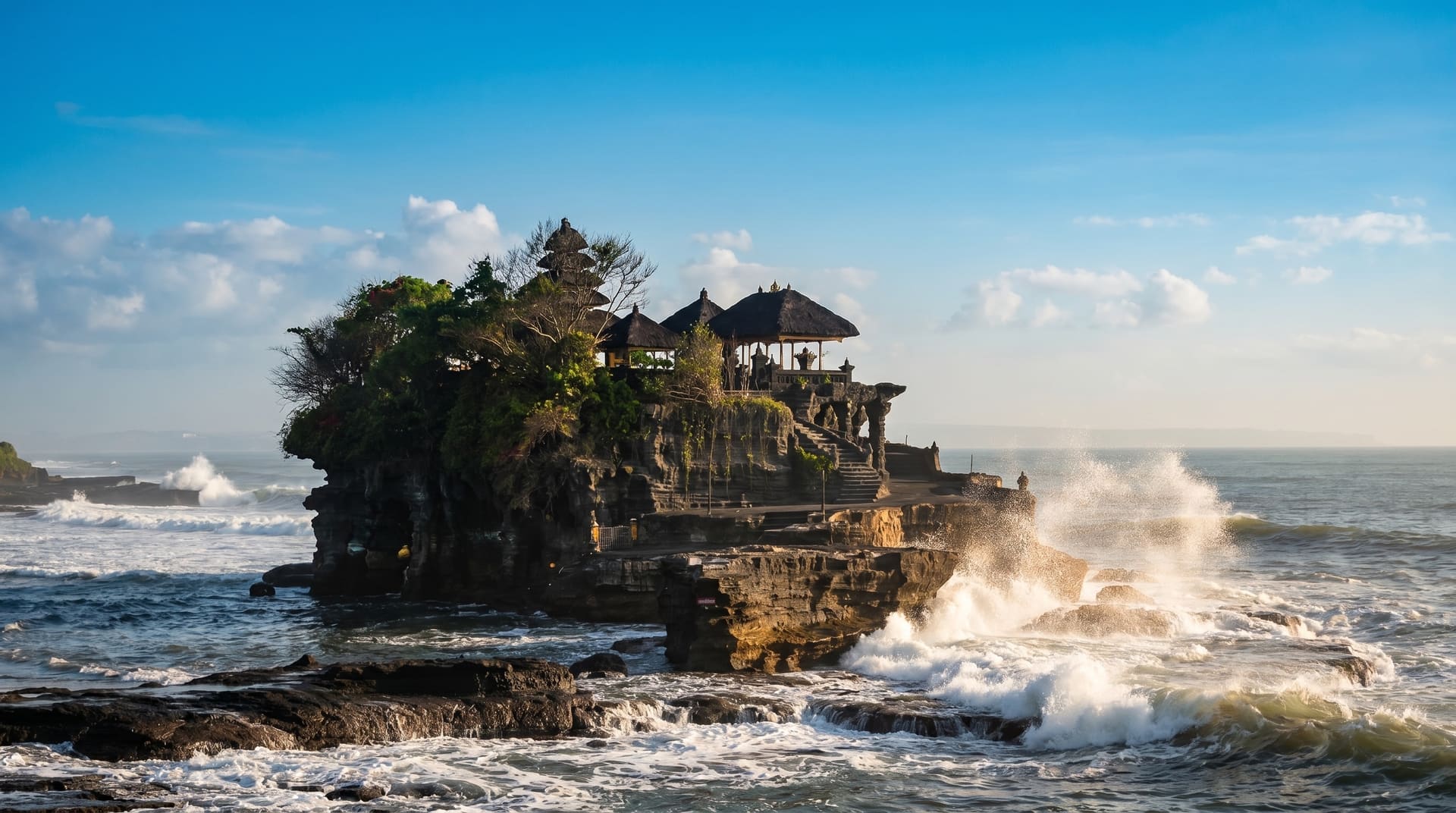
7.0Canggu, indonesia.
A budget asia option with a nomad-visa pathway.
asia
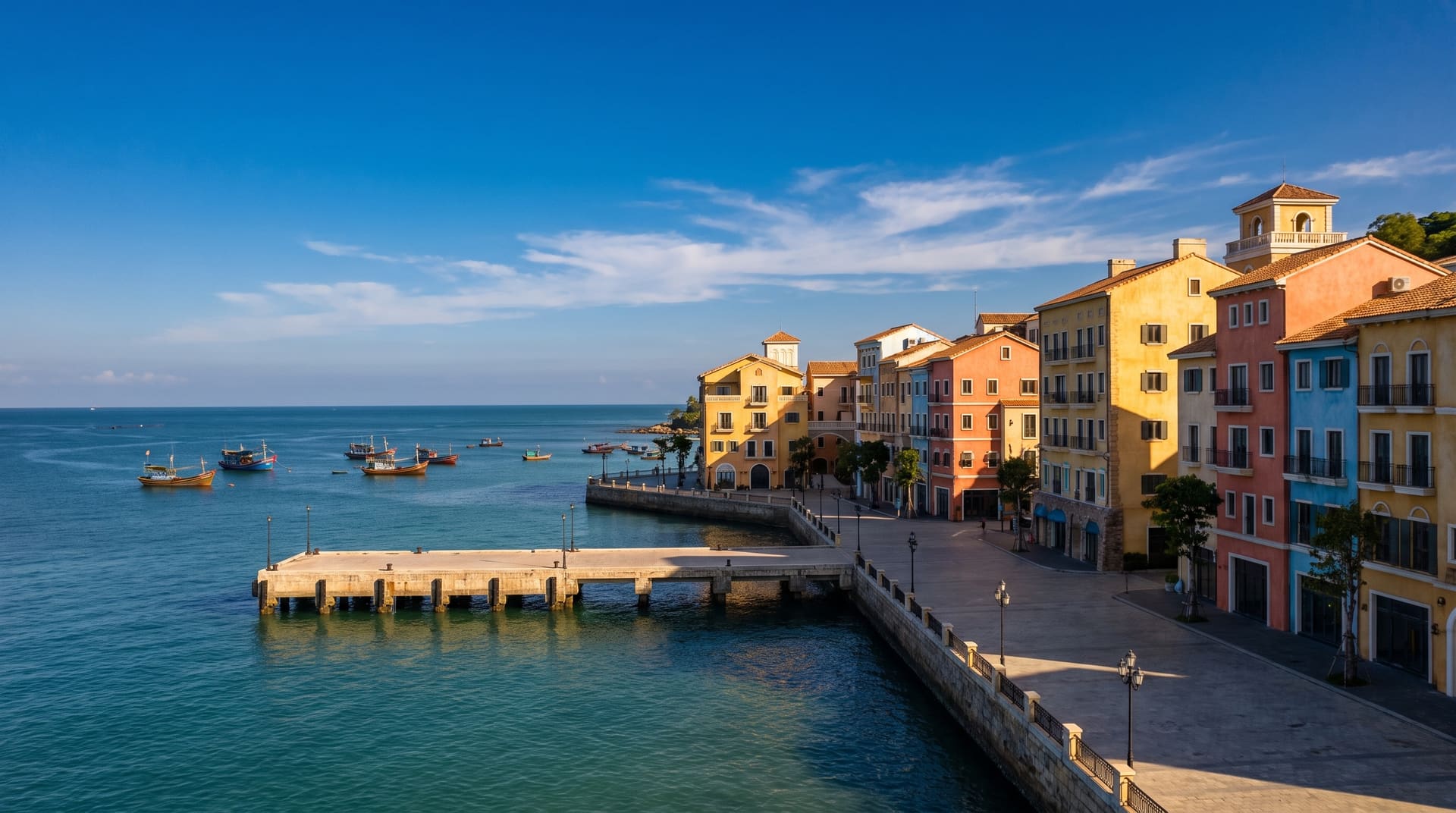
6.9Phu Quoc, vietnam.
A budget asia option with limited visa-free access.
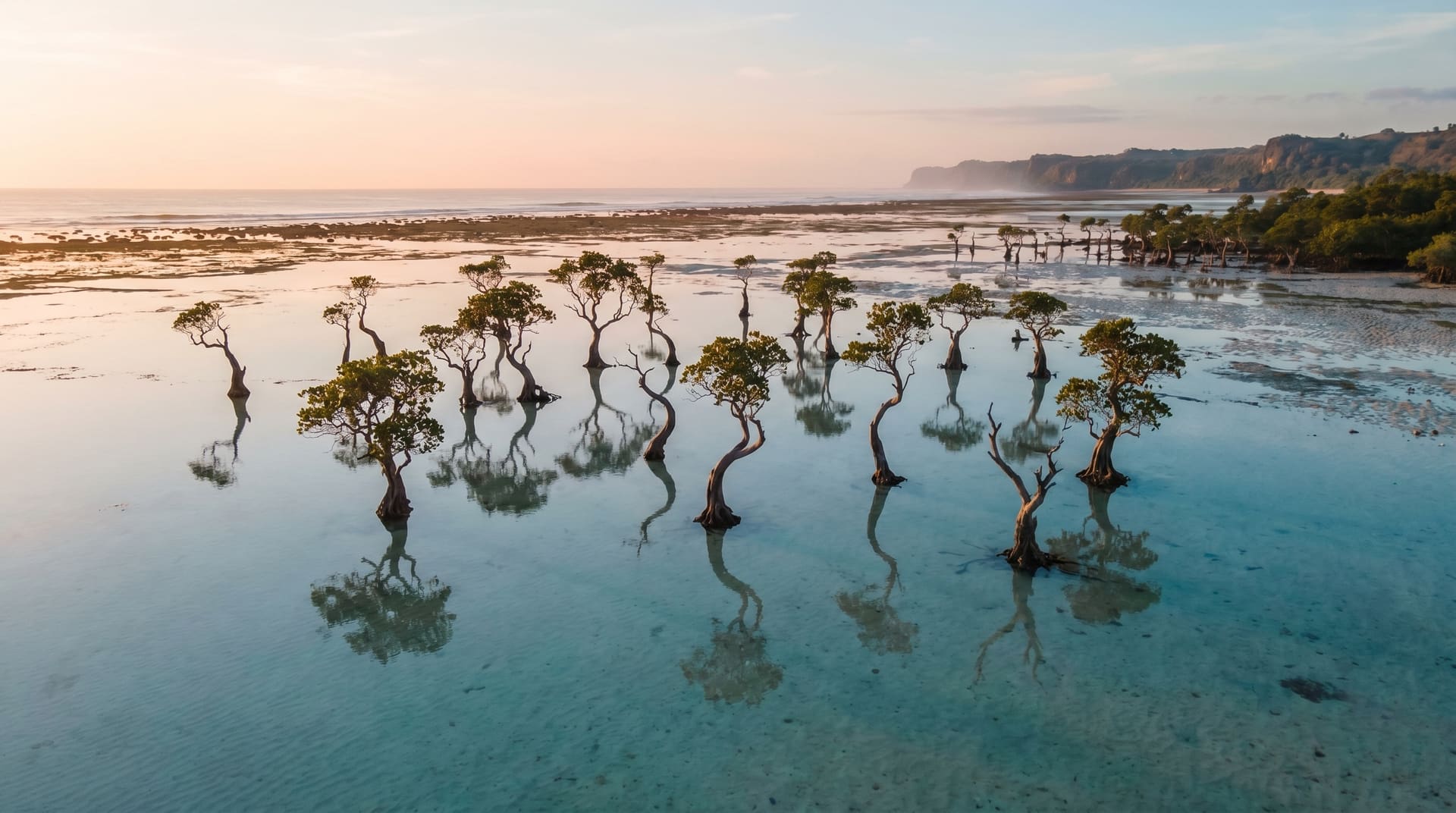
asia
6.9Sumba, indonesia.
A budget asia option with a nomad-visa pathway.
closest on the way it feels
Same wellbeing, different climate.
Cities that score like Basse-Terre on quality-of-life but trade tropical for something else.
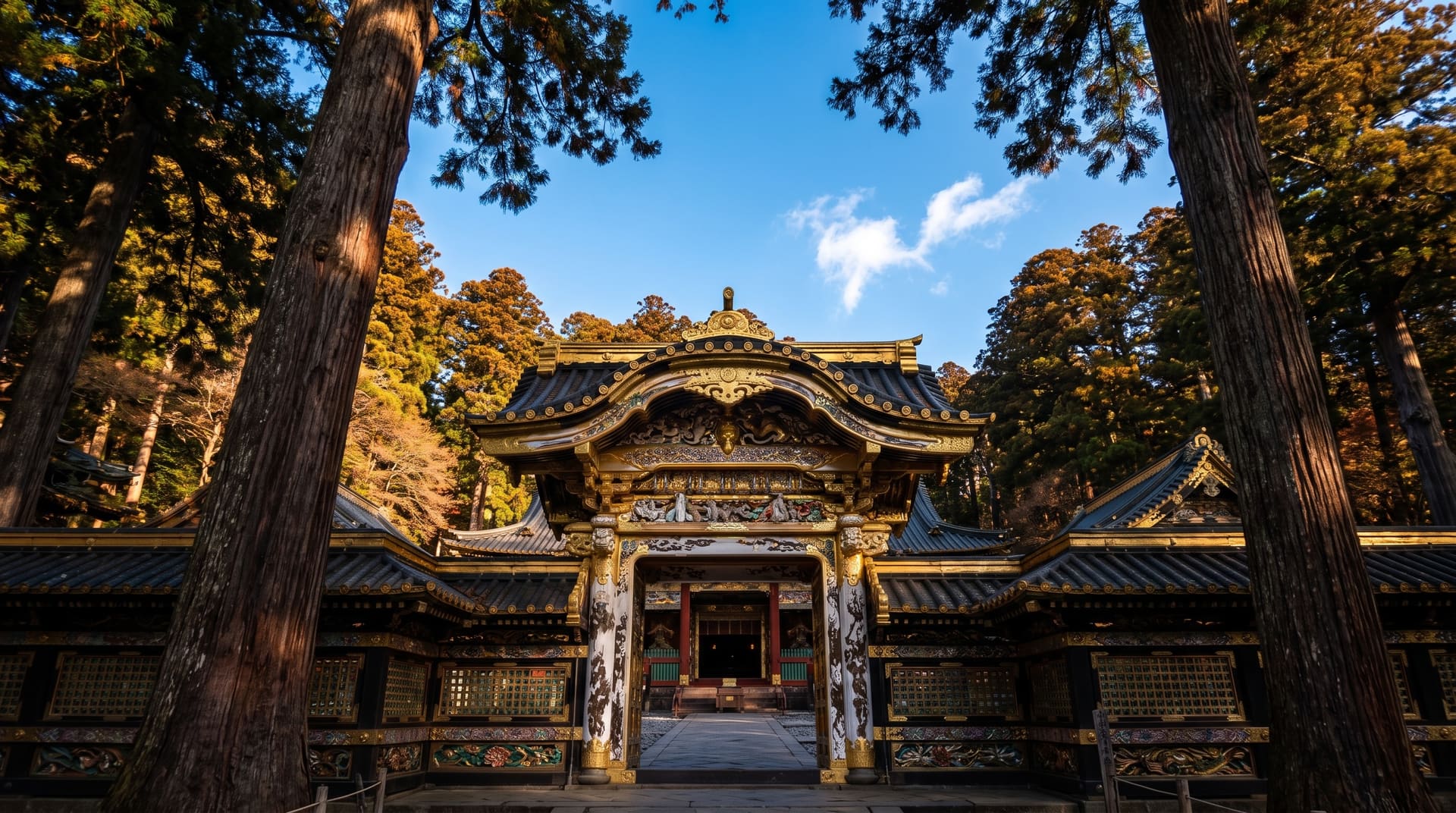
asia
8.6Nikko, japan.
A budget asia option with workable visa-free EU access.
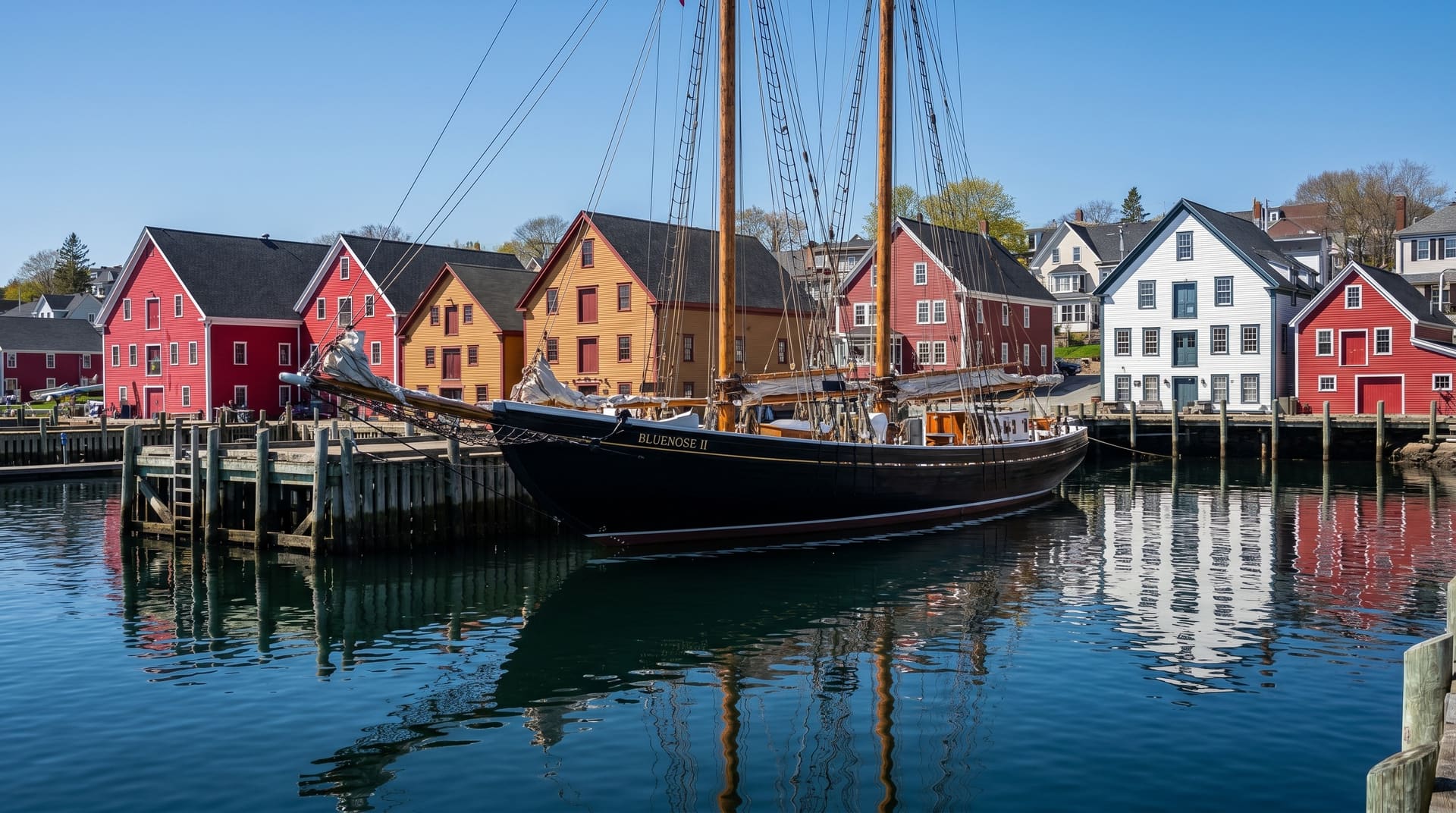
north america
8.1Lunenburg, canada.
A mid-tier north america option with workable visa-free EU access.
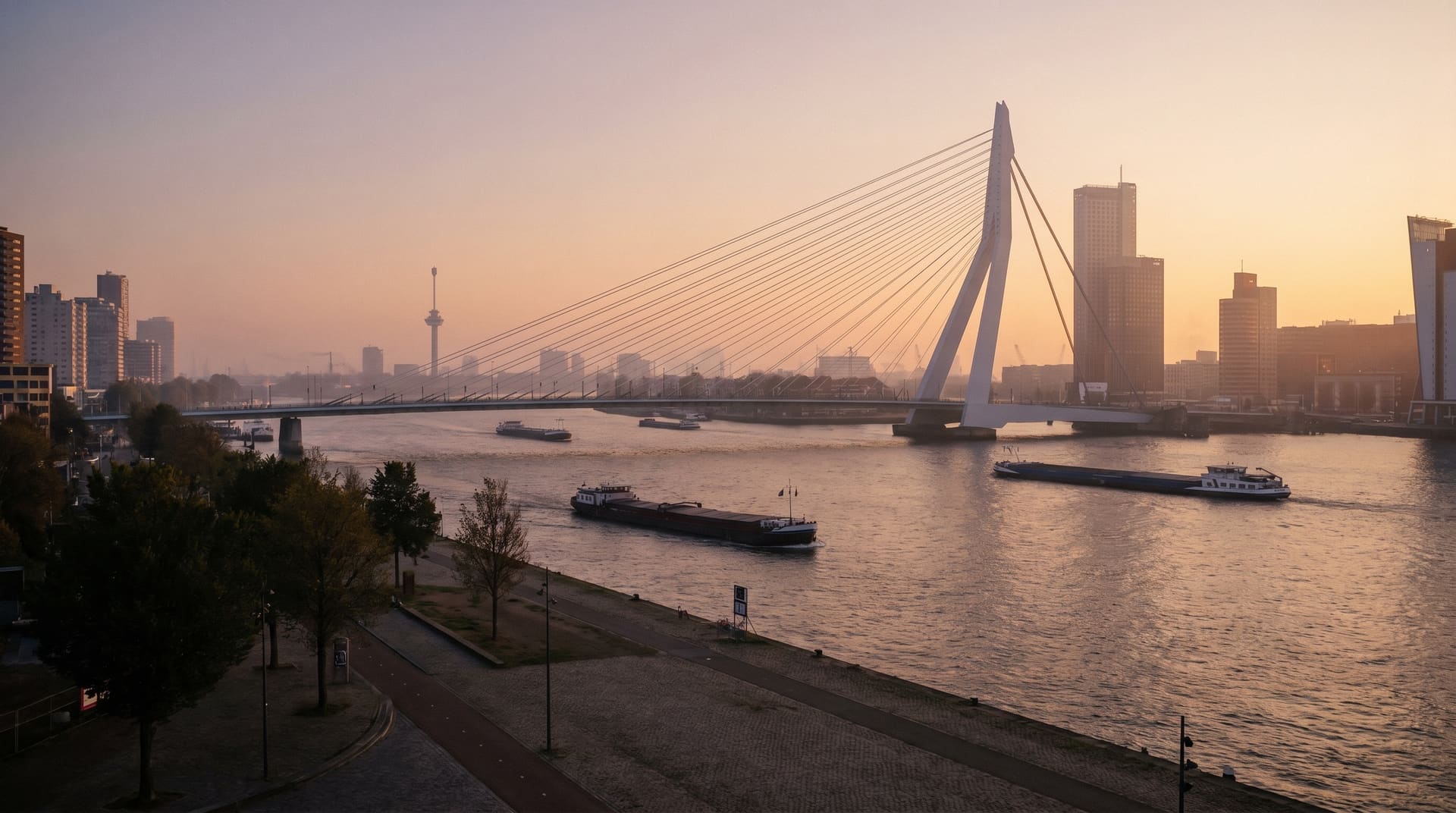
europe
8.0Rotterdam, netherlands.
A budget europe option with workable visa-free EU access.
where Basse-Terre ranks
Basse-Terre also makes these lists.
The cheapest cities for digital nomads
solo nomads live for ~$604/mo here
Cities with the cleanest air, ranked by verified PM2.5
7 µg/m³ annual PM2.5 verified by CAMS
LGBTQ+ friendly cities for digital nomads
8.1/10 country-level rights indicator
The sunniest cities for digital nomads
3,975 sun hours / year
frequently asked
Basse-Terre, honest answers.
- How much does it cost to live in Basse-Terre per month?
- Solo monthly burn in Basse-Terre is estimated around $604, covering a central 1-bedroom, food, mobile, utilities, transit, and a small coworking allowance. This is a pipeline estimate; rent verified for cities marked with the ✓ badge.
- What visa do I need to live in Basse-Terre?
- EU passport holders enjoy free movement here. Non-EU passports use Schengen-equivalent or national visa-free entry; for stays longer than 90 days a national residence permit is required. No dedicated digital-nomad visa exists.
- How is the air quality in Basse-Terre?
- Annual PM2.5 averages 7 µg/m³, which above WHO target but moderate. The 12-month curve on this page shows the seasonal swing, many cities have a sharp burning season or winter inversion that doesn't show in the annual number.
- When is the best time to visit Basse-Terre?
- Feb typically scores best on our combined comfort index, average temperature 25°C, low rainfall, high sunshine. Each city's Climate Chart on this page shows the full 12-month picture.
- Are there earthquakes in Basse-Terre?
- Yes, the historical record includes 86 M5+ earthquakes and 6 M6+ within 200 km over the last 50 years. The largest was M7.4 in 2007. Modern buildings in major cities are engineered for this; factor it into long-stay decisions.
where it is
Basse-Terre on the map.
Basse-Terre, Guadeloupe, Latin America.
16.0000, -61.7333
Map tiles & data © OpenStreetMap contributors.