sub-region · southeast asia
What makes Southeast Asia work.
Eight cities that built the remote-work playbook, $1 meals, $400 villas, and a long-stay visa map that finally caught up to demand.
Southeast Asia is the region that named the digital nomad. Chiang Mai produced the first proper coworking culture; Bali turned remote work into a brand; Bangkok now hosts the largest population of long-stay remote workers on Earth. The shared story is the same in every city, extraordinary food density, motorbike-or-walk neighborhoods, and the unfair leverage of a senior-IC salary against a local cost base.
The friction is also the same. Air quality cliffs in the burning season (February-April for the mainland, year-round for Jakarta). English is workable in tourist districts and patchy outside. Visa rules changed in 2024, Thailand's DTV, Indonesia's E33G, Malaysia's DE Rantau, Vietnam's tightening 90-day exemption, and the paperwork load varies wildly between them. Pick the city, plan around the season, leave for the month it falls apart.
the hand-picked, 8 cities
Editorial selection, not algorithmic.
hand-curated by the ExpatWhy editorial team, order is editorial, not by score.
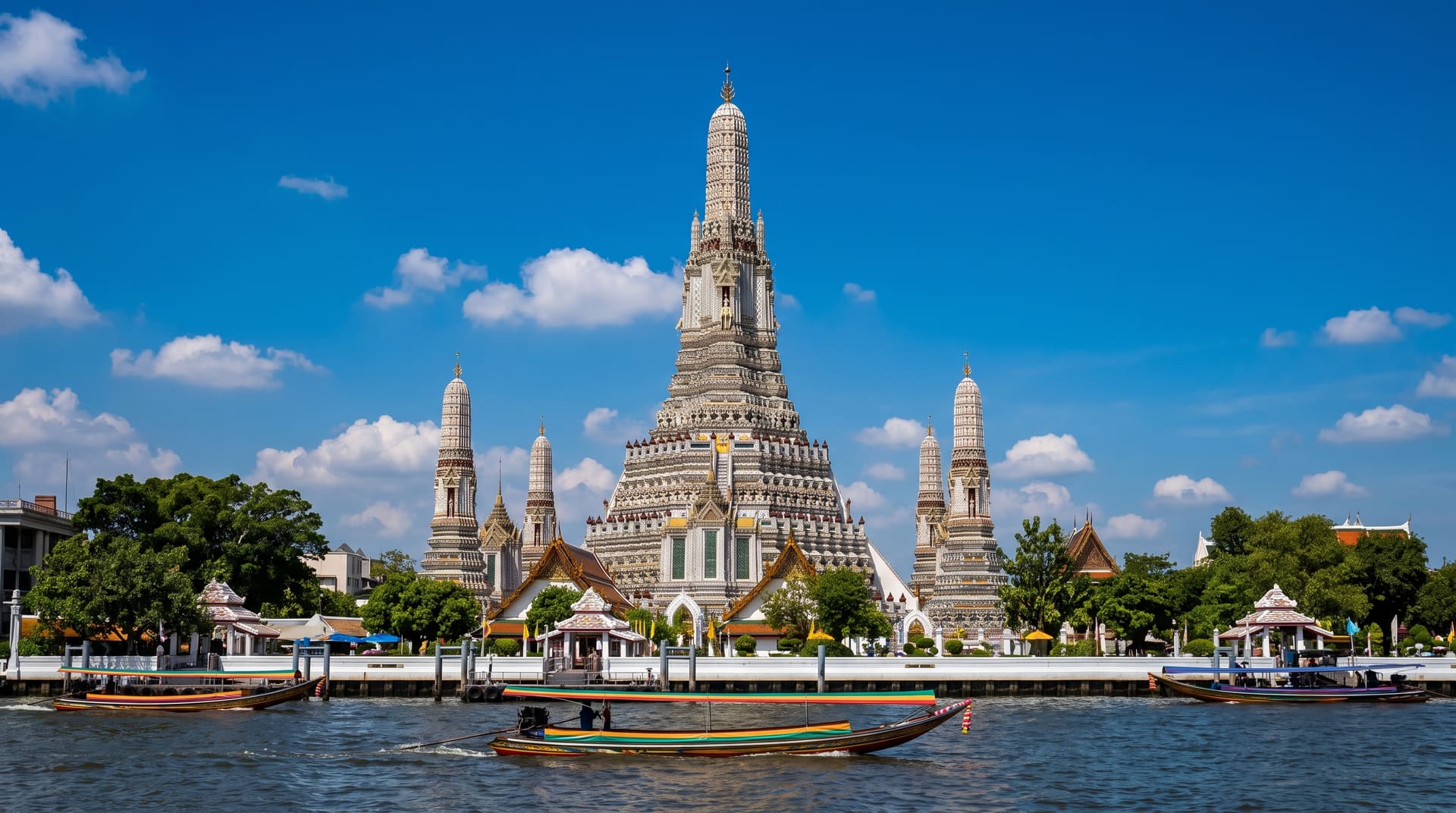
n° 01 · asia
01Bangkok, thailand.
For nomads who want a $1,200/month lifestyle with a $4,000/month feel, and can plan around 6 weeks of bad air.
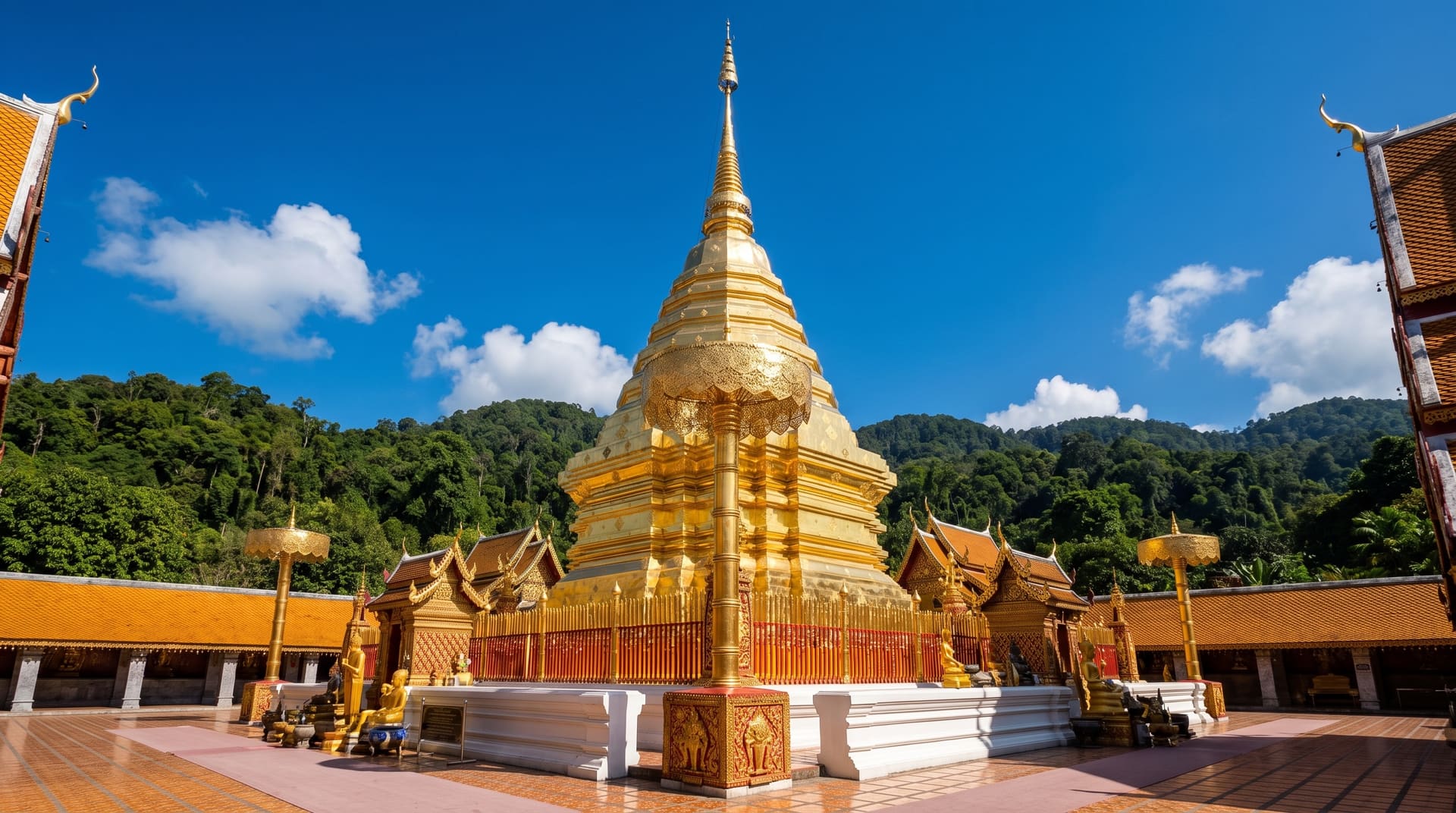
n° 02 · asia
02Chiang Mai, thailand.
For first-time long-stay nomads on a tight budget, who can leave town March-April.
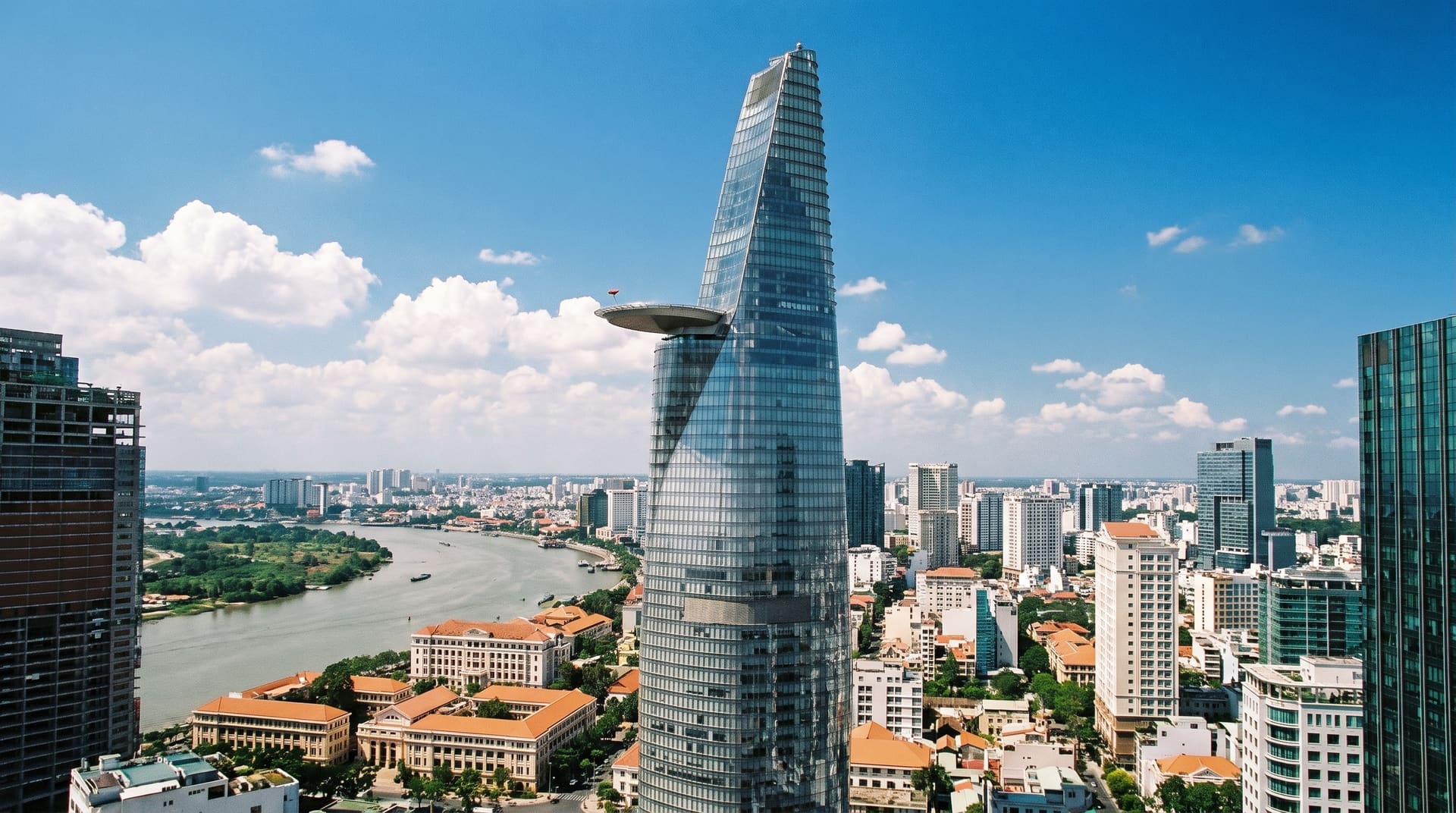
n° 03 · asia
03Ho Chi Minh City, vietnam.
For nomads who want sub-$1,200 monthly Asia with fiber internet and accept the air and visa friction.
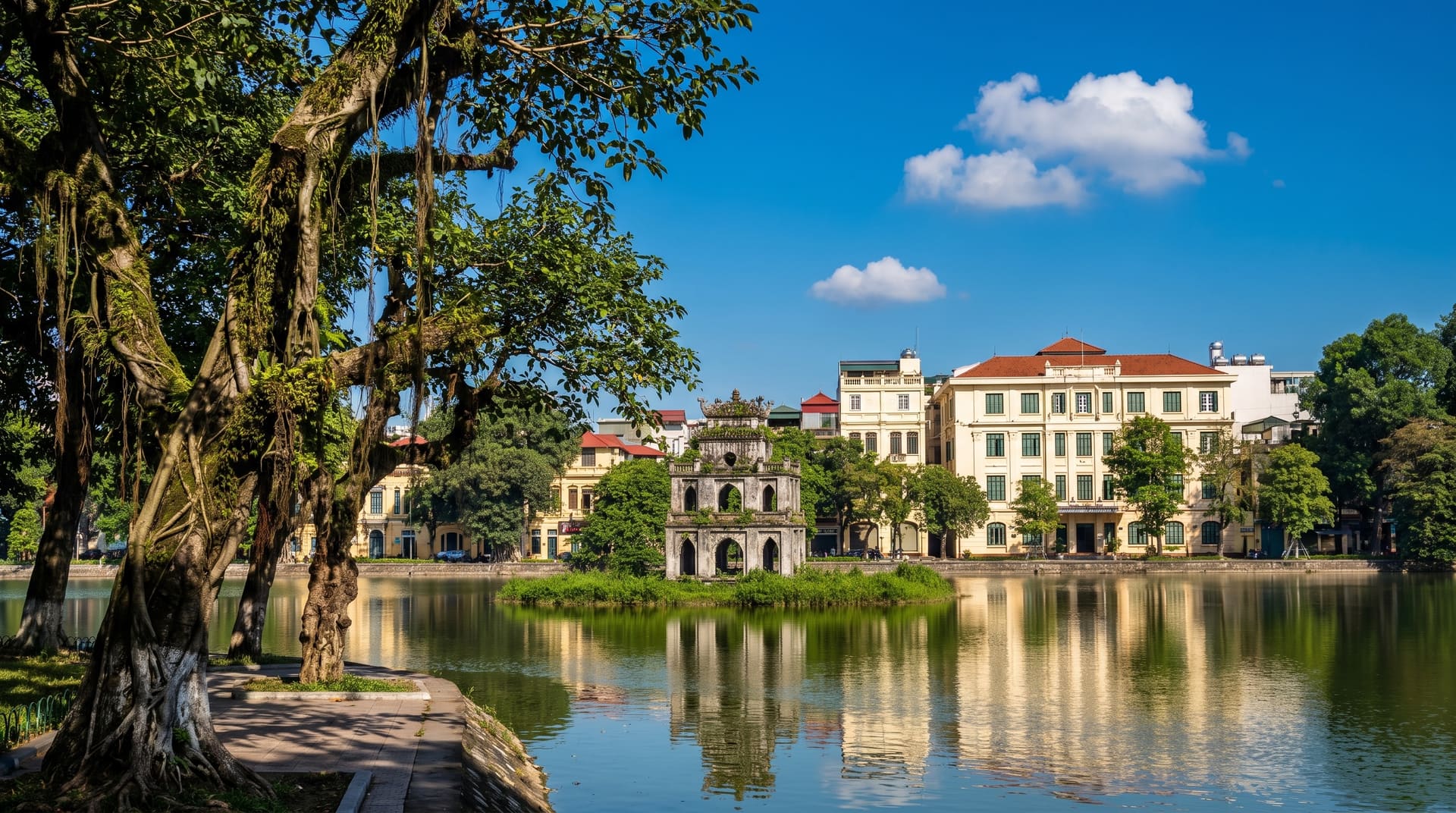
n° 04 · asia
04Hanoi, vietnam.
For nomads who choose Vietnam for culture over climate and accept the air-quality reality.
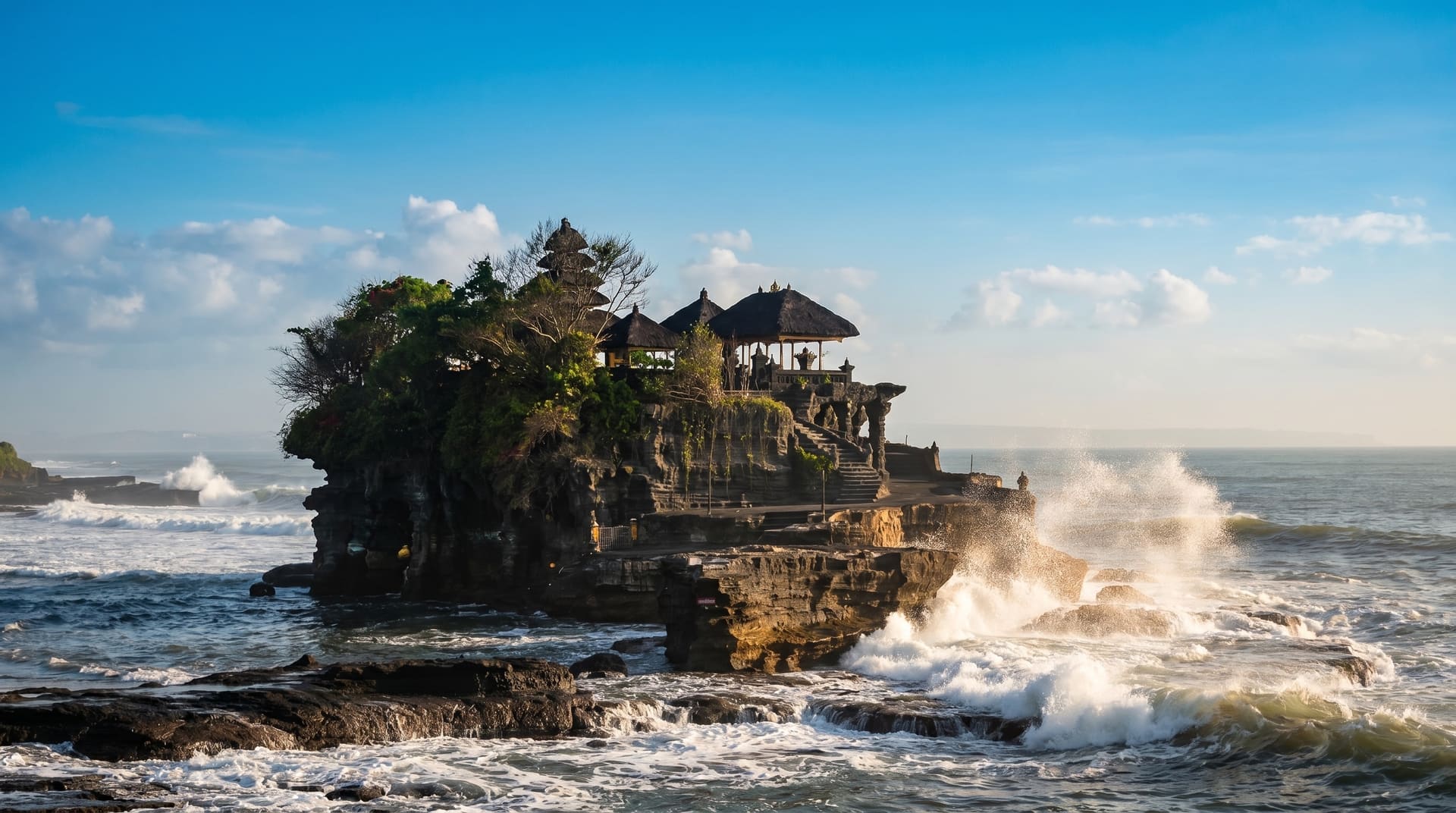
n° 05 · asia
05Canggu, indonesia.
For nomads doing 1-3 month Bali stints between Asia legs, comfortable with infrastructure that hasn't kept up with demand.
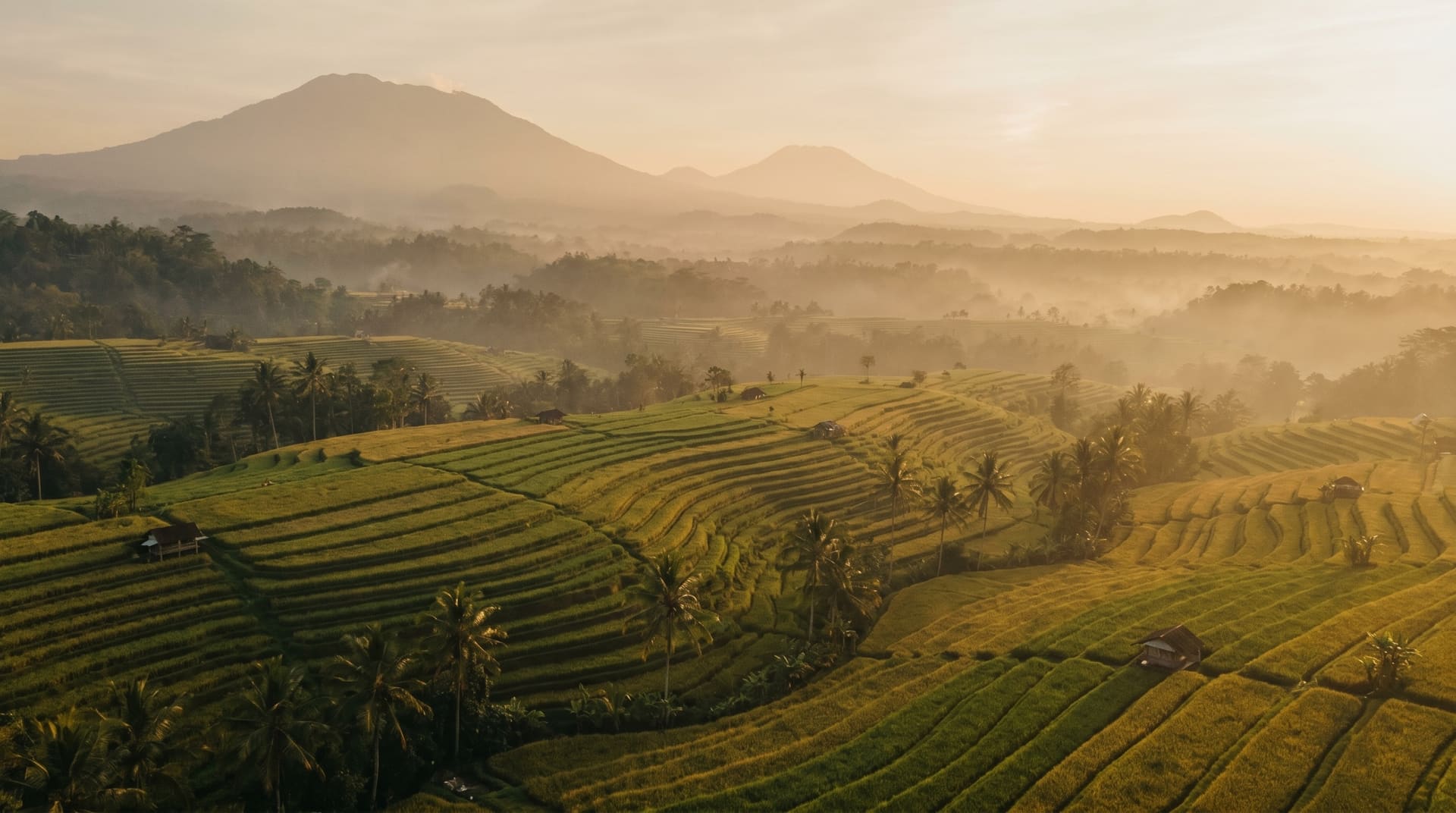
n° 06 · asia
06Ubud, indonesia.
For nomads in wellness / retreat / yoga modes who want Bali without the surf scene.
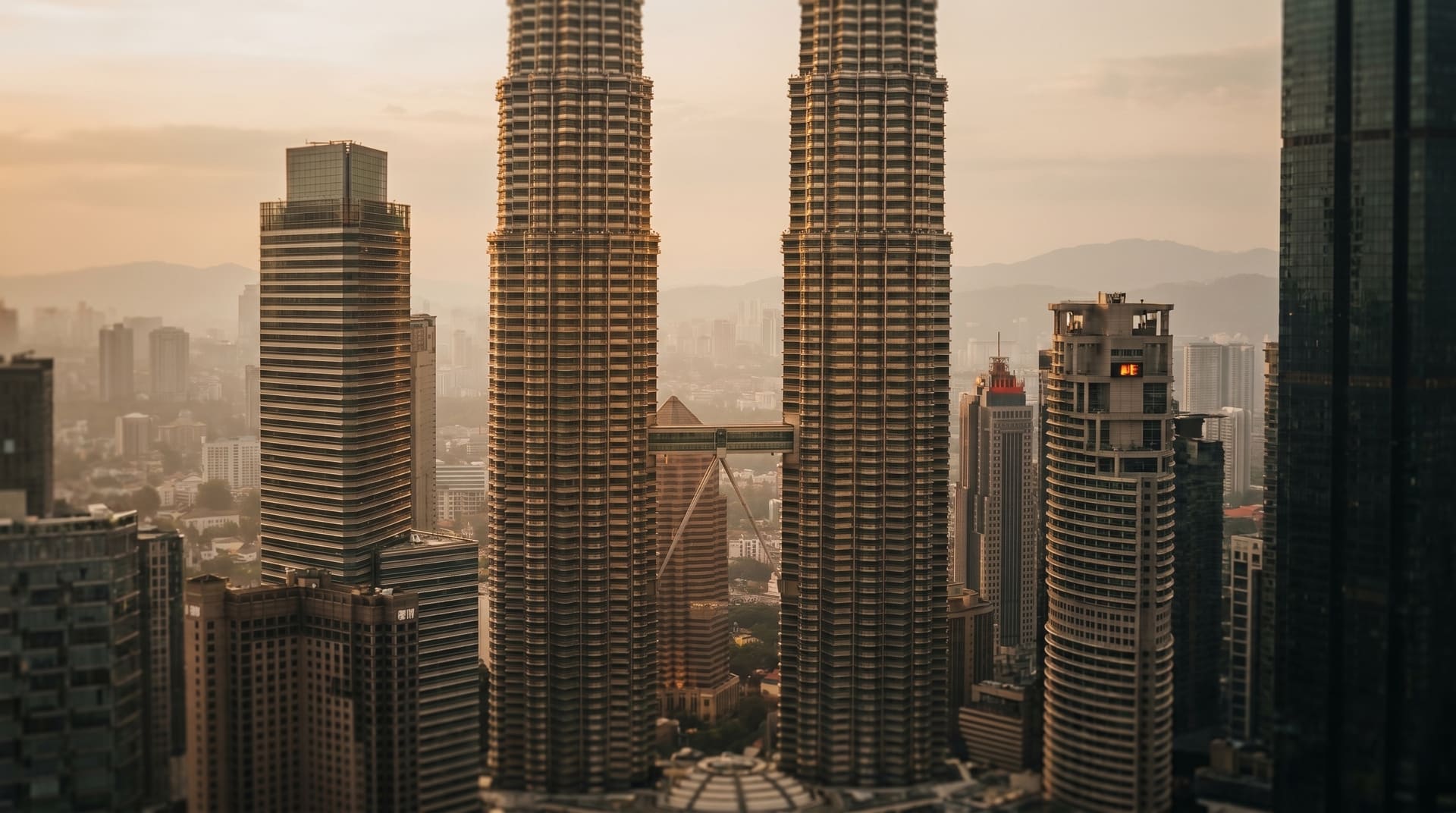
n° 07 · asia
07Kuala Lumpur, malaysia.
For nomads who want a real-city alternative to Bangkok with a cleaner visa story.
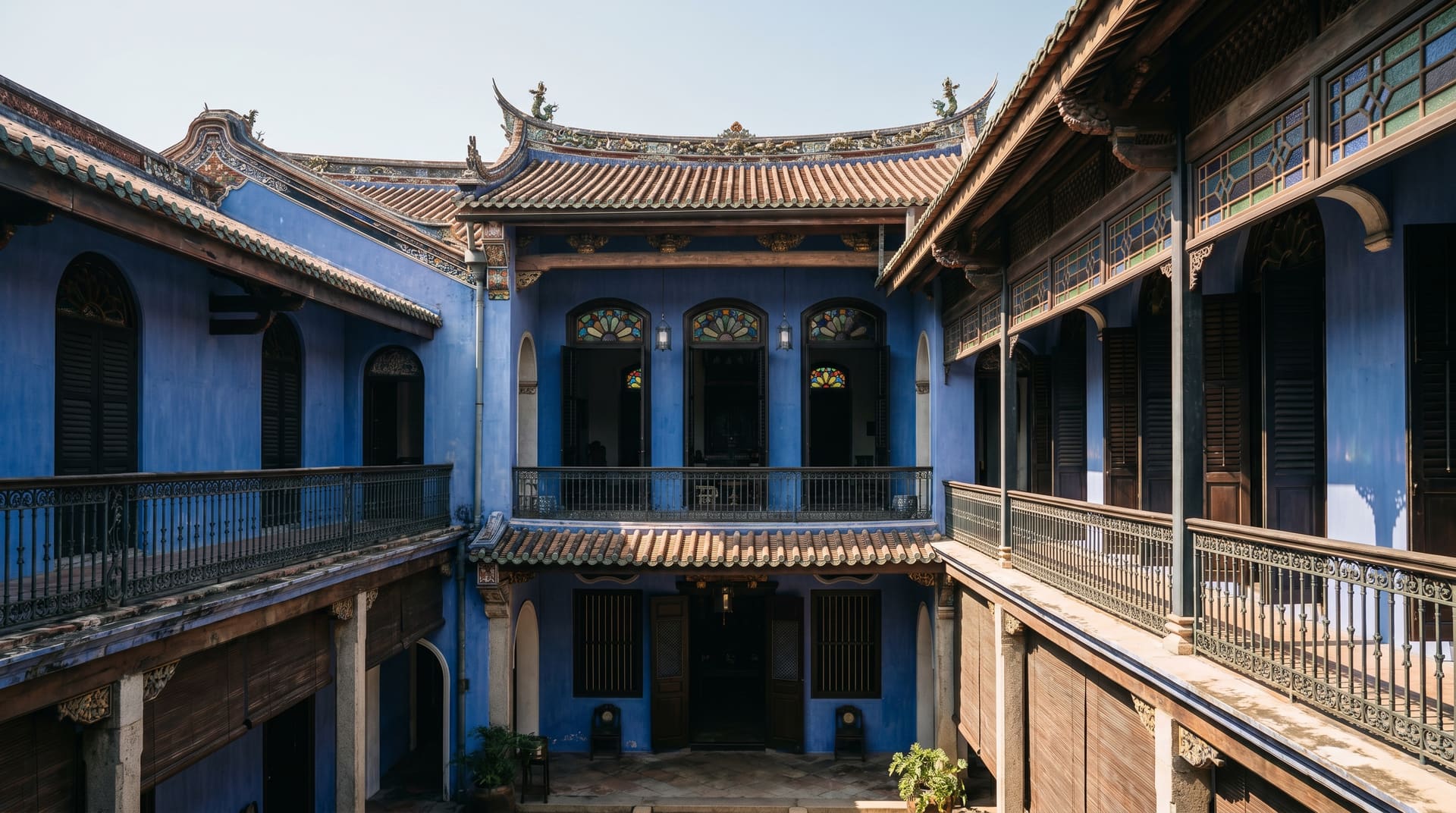
n° 08 · asia
08George Town, malaysia.
For nomads who want a cheap, English-friendly, food-obsessed island base with one of Asia’s most distinctive heritage cores.
the comparison
What they share, and what separates them.
what they share
Tropical climate with a sharp wet season, 50-300 Mbps fibre in any tier-1 neighborhood, $800-2,000/mo solo cost of living, vibrant coworking culture, dense food markets within walking distance, and visa pathways measured in months not weeks.
what separates them
Air quality (Chiang Mai's burning season vs Bali's clean Indian Ocean wind), urban density (Bangkok's verticals vs Canggu's rice fields), English (Singapore and KL near-native, Hanoi patchy), and the visa-pathway maturity (Thailand's DTV is the gold standard; Vietnam still leans on visa runs).
- cheapest of the group
$625
/ mo solo
Canggu, indonesia- priciest of the group
$1,085
/ mo solo
Bangkok, thailand- highest nomad score
8.1
/ 10
George Town, malaysia