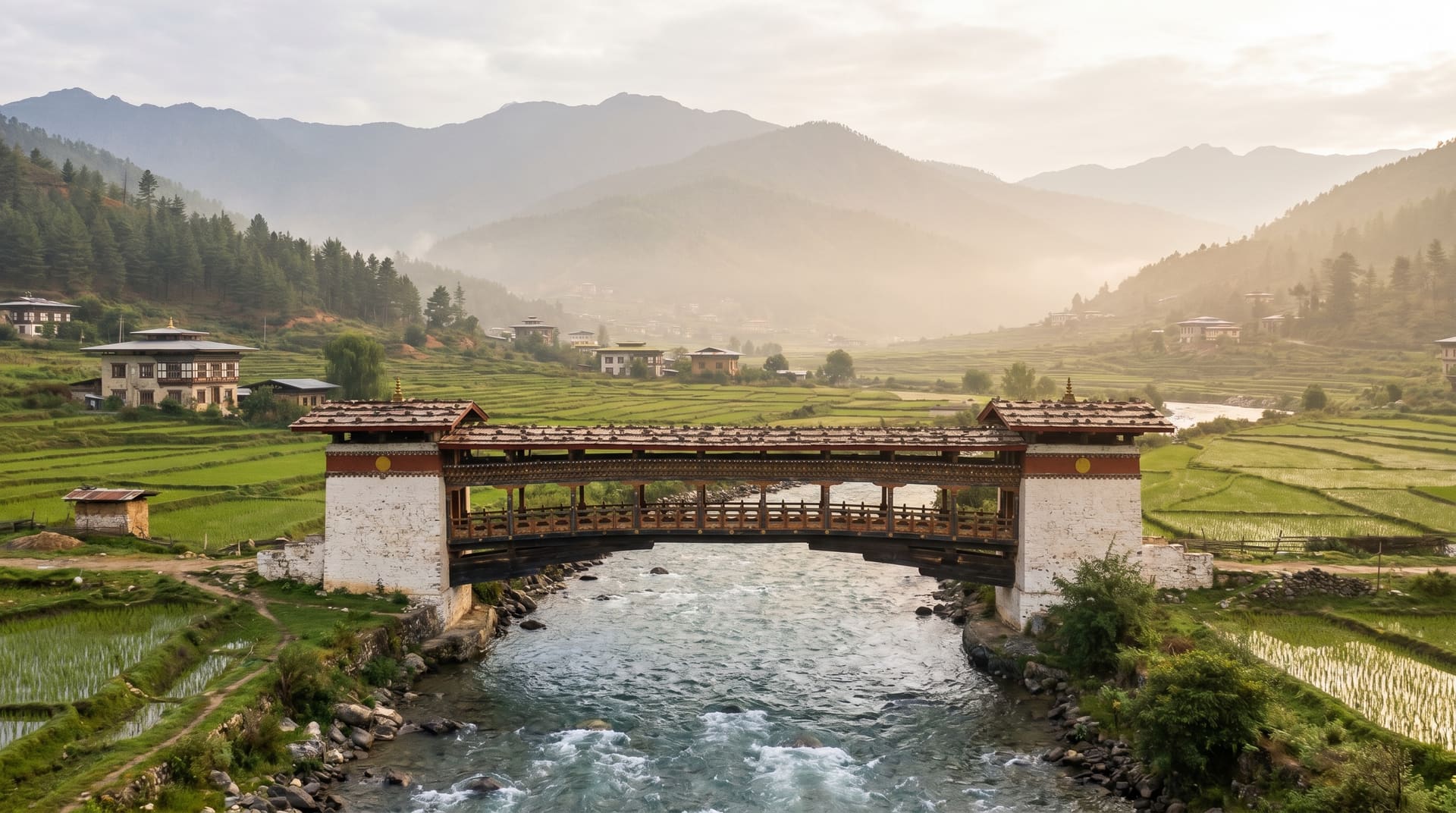
 AI generated
n° 392, asia
Paro, bhutan.
For travelers willing to pay USD 100/day for one of the most controlled and culturally intact short trips on earth, not for nomads, not for budget travelers, not for stays over 2 weeks.
- cost / mo
- $746
- internet
- 40 Mbps
- visa-free · eu
- –
straight answers about Paro
the scores
Four perspectives on city fit.
Open any score for a plain-language view of the city's strengths and tradeoffs.
your monthly budget
default $700–$4,500 range · drag to personalize
score priority
balanced across the factors that matter
Scores adapt to your selected budget and priority. Each ring is clickable for a plain-language breakdown of the city's strengths and tradeoffs.
monthly cost · estimate
$746/mo
Component-level data not yet collected for this city.
in one sentence · curated
ExpatWhy editorial.
Paro is Bhutan's gateway valley, the only international airport, the most photographed dzong, and a country that gates entry behind a mandatory USD 100/day Sustainable Development Fee.
editorial
The case & the friction.
ExpatWhy editorial
Bhutan does not operate as a nomad destination. The Sustainable Development Fee (SDF) is USD 100 per adult per night, mandatory and non-negotiable, on top of all accommodation and transport costs, a 2-week stay carries a USD 1,400 government fee before a single rupee on a room. Mid-range guesthouses in Paro town run USD 60–150/night; the official tour operators required for most itineraries package accommodation, guide, and transport at USD 200–400/day all-in. A momos-and-ema-datshi (chili-and-cheese) dinner is BTN 600 ($7). Wifi in Paro hotels runs 10–40 Mbps and is enough for email. No coworking, no long-term nomad infrastructure.
At 2,200m in the Paro valley the climate is Himalayan temperate. Spring (March–May) and autumn (September–November) are the prime windows, clear skies, 15–22°C days, cold nights. Summer is the monsoon and clouds the mountains. Winter (December–February) sees snow on the Tiger's Nest trail and -5°C nights.
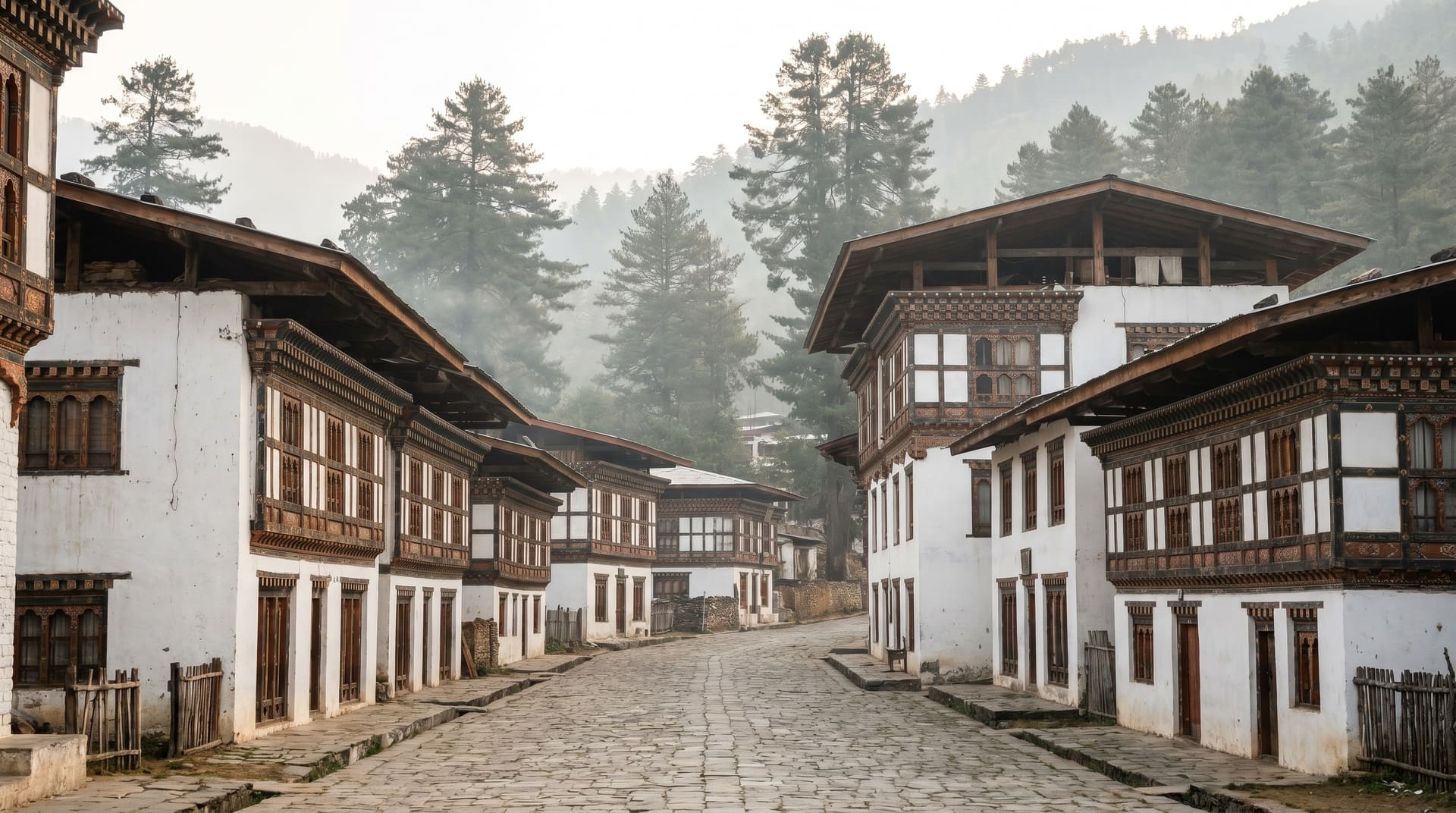
Paro Taktsang, the Tiger's Nest Monastery, is the country's defining image: a 17th-century complex cantilevered onto a 900m cliff above the valley floor, reached by a 3-hour round-trip hike. Rinpung Dzong, the 1646 fortress-monastery, anchors the town across the Paro Chhu river, crossed by the Nyamai Zam wooden cantilever bridge (the original was washed out in 1969 and rebuilt traditionally). The National Museum sits in the Ta Dzong watchtower above the fortress. Drukgyel Dzong at the valley head, ruined since a 1951 butter-lamp fire, is under restoration. Thimphu, the capital, is a 1-hour drive. Indian and Bangladeshi passports get a different visa regime; all other nationals require the USD 100/day SDF and a visa stamped on arrival after the fee is paid in advance. Dzongkha is the national language; English is the medium of instruction in schools and is genuinely universal.
verdict
For travelers willing to pay USD 100/day for one of the most controlled and culturally intact short trips on earth, not for nomads, not for budget travelers, not for stays over 2 weeks.
work & connectivity
Getting work done.
work-friendly density · OSM
Untagged or thin for laptop work.
coworking spaces
0
wifi cafés
1
In practice: Light infrastructure (0 coworking, 1 wifi cafés on OSM), bring a fast local SIM as your fallback, and pick accommodation with a proper desk.
© OpenStreetMap contributors · ODbL 1.0
when to visit
Twelve months of weather.
temperaturerainfallcurrent monthbest month
air quality · 12 months verified
When the air turns.
Hourly PM2.5 averaged by calendar month from modelled atmospheric data, window 2025-07-08 → 2026-07-07. WHO annual guideline is 5 µg/m³.
annual mean
9.2µg/m³
Good
worst month
Feb · 19 µg/m³
Moderate
cleanest month
Aug · 4 µg/m³
WHO target
annual swing
15 µg/m³
Highly seasonal
Cleanest air in August (4 µg/m³); worst in February (19 µg/m³).
Annual mean is well within WHO targets, no special precautions needed.
Modelled, not measured at a station: near coasts atmospheric models can count sea salt as PM2.5 and read high against ground networks. Read the curve, not the absolute.
natural risk
The numbers other sites don't show.
seismic risk · 50 yr · 200 km
Low seismic exposure.
M5+ events
30
M6+ events
3
largest
M6.9
Largest recorded: M6.9 in 2011.
In practice: Moderate seismic background (30 M5+ in 50 years), modern construction handles this well, but verify building era for older rentals.
tropical storms · 46 yr · 200 km
Very low cyclone exposure.
named storms
2
cat 1+ hurricanes
0
In practice: 2 named storms tracked in 46 years, but only 0 reached hurricane strength, light exposure, mostly a planning footnote for beach trips.
–Paro is Bhutan's gateway valley, the only international airport, the most photographed dzong, and a country that gates entry behind a mandatory USD 100/day Sustainable Development Fee.
quality of life
LGBTQ+ legal protections rank in the bottom decile globally, verify your situation before settling.
2.0
/10
Country-level indicator; local experience varies by neighborhood
country-level rights indicator
country-level safety indicator
12-month modelled average
derived from monthly rainfall
vs Berlin 09–17 · Asia/Thimphu
–For travelers willing to pay USD 100/day for one of the most controlled and culturally intact short trips on earth, not for nomads, not for budget travelers, not for stays over 2 weeks.
ExpatWhy editorial
what to know
Pros & cons.
pros
- Budget-friendly for solo nomads
- Low air pollution (annual PM2.5)
cons
- Slow average internet speeds
- Very humid most of the year
visa & stay
How long can you stay?
- digital nomad visa
- No, not yet
- visa-free for EU passport
- –
- visa-free for US passport
- 90 days
visa figures as of August 2026 · verify with official immigration sources before traveling
before you go
What to plan around.
Drawn only from the verified figures on this page, the things worth knowing before you book.
EU passport: visa needed before arrival
EU passports need a visa arranged in advance, there is no visa-free entry to plan around.
Seismically active region
3 quakes of M6+ within 200 km over 50 years (strongest M6.9). Know your building's earthquake rating before signing a lease.
compare side-by-side
Paro versus three popular alternatives.
you might also like
Where to go next.
Closer on the map, closer on the wallet, or closer on the way it feels.
closest on the wallet
Other budget cities, different continent.
Same band as Paro, budget (under $1,500/mo), outside asia.
europe
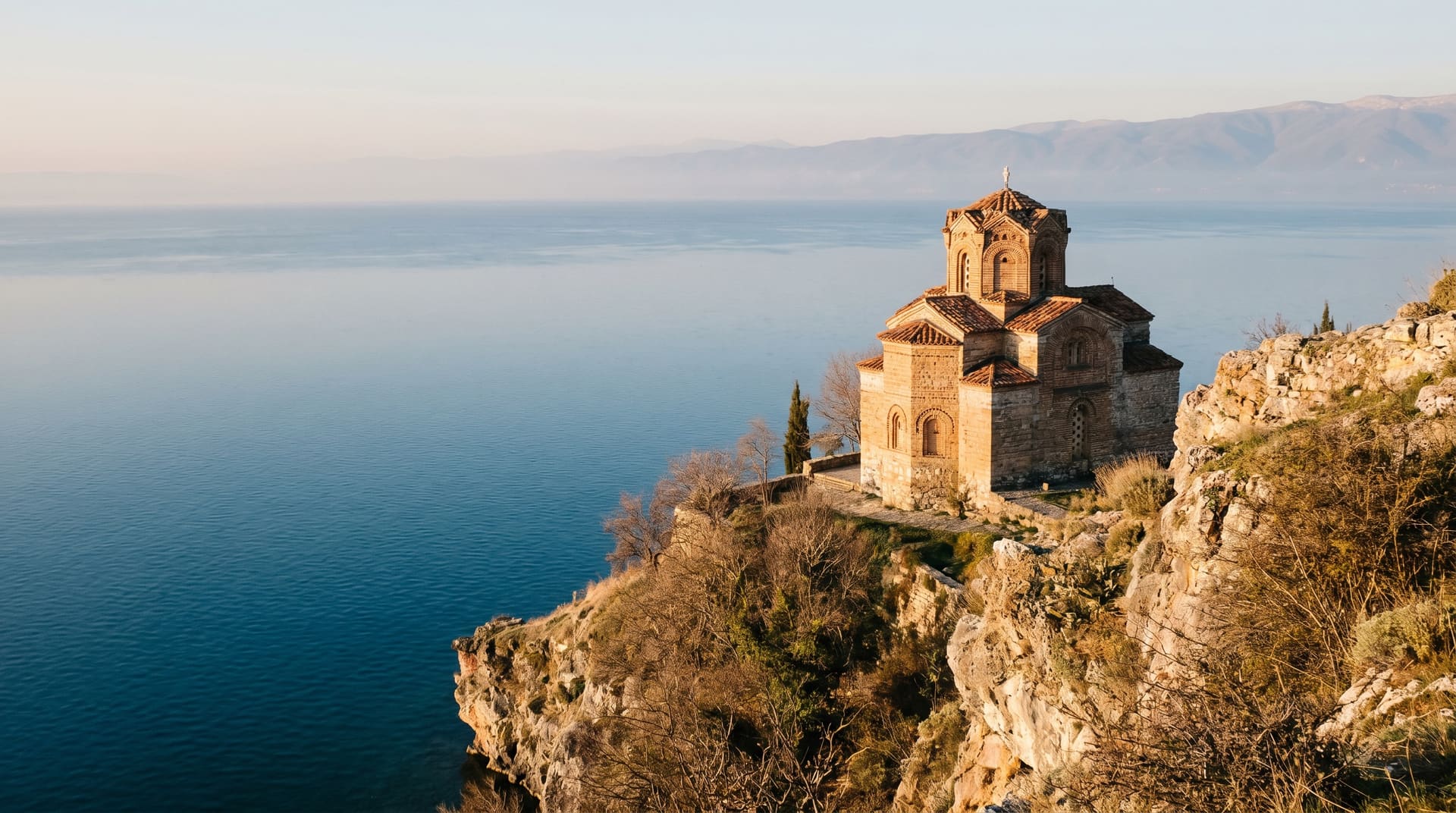
7.2Ohrid, north macedonia.
A budget europe option with workable visa-free EU access.
latin america
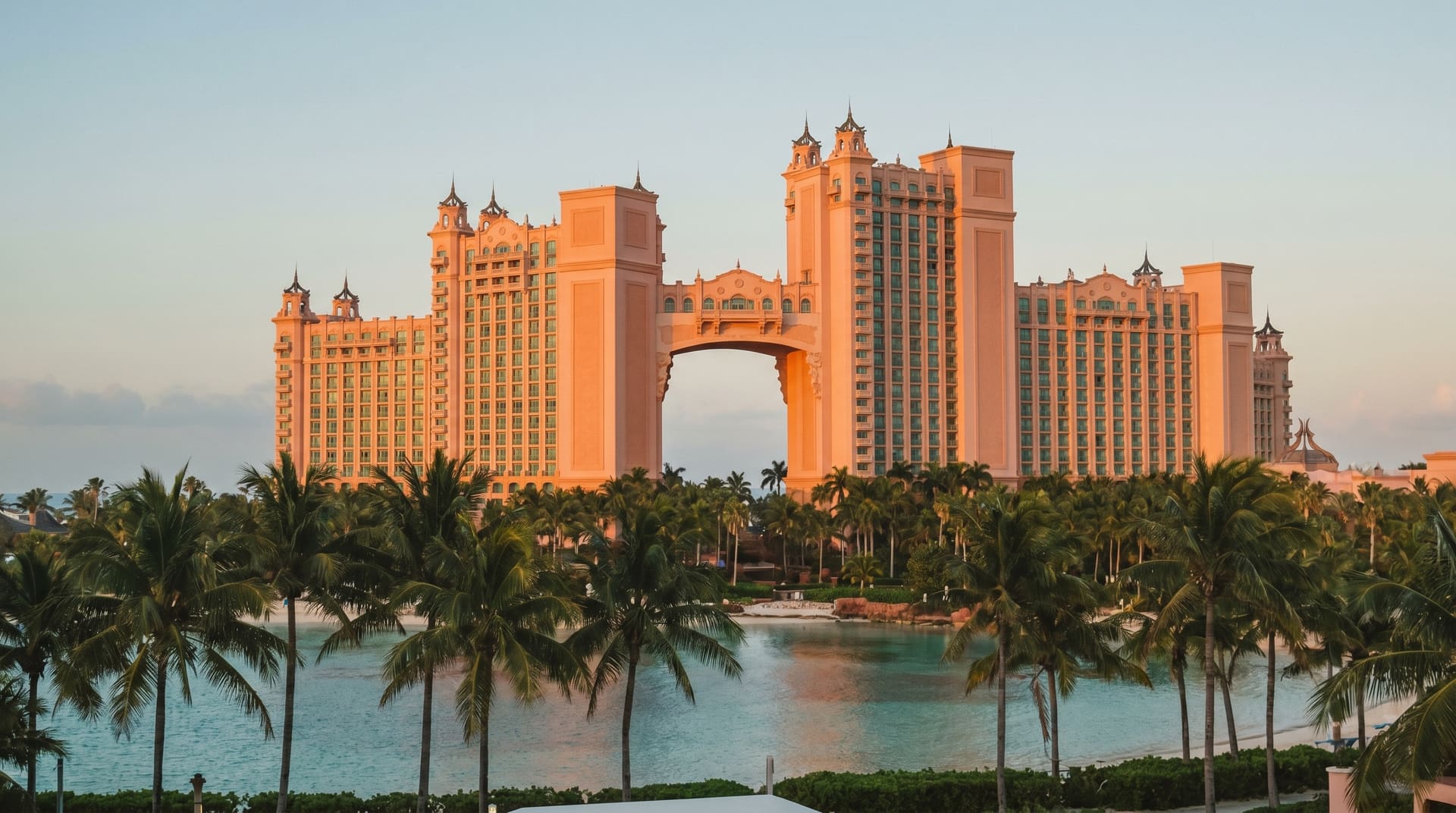
7.1Nassau, bahamas.
A budget latin america option with workable visa-free EU access.
latin america
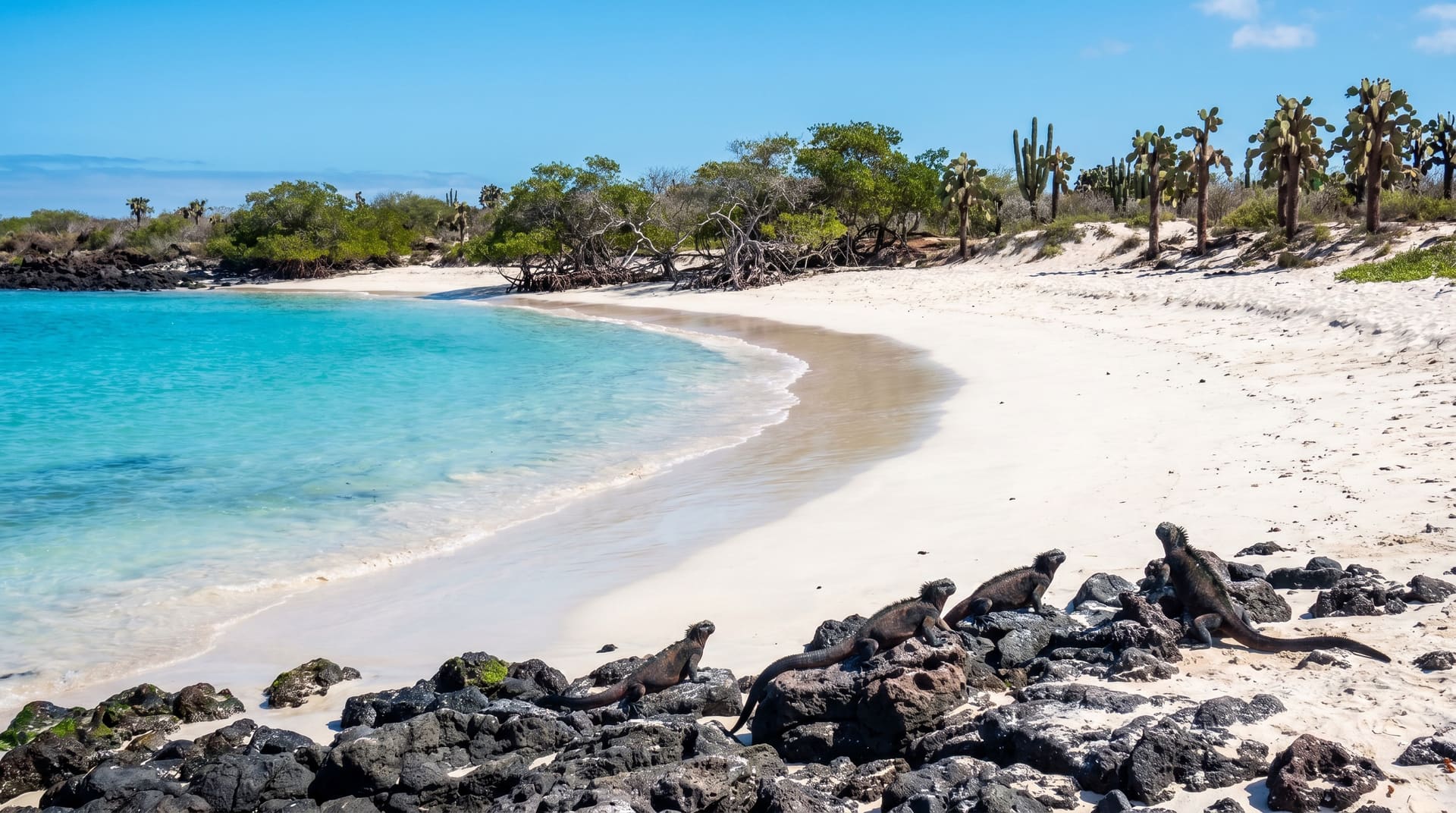
7.0Puerto Ayora, ecuador.
A budget latin america option with a nomad-visa pathway.
closest on the way it feels
Same wellbeing, different climate.
Cities that score like Paro on quality-of-life but in a different climate.
asia
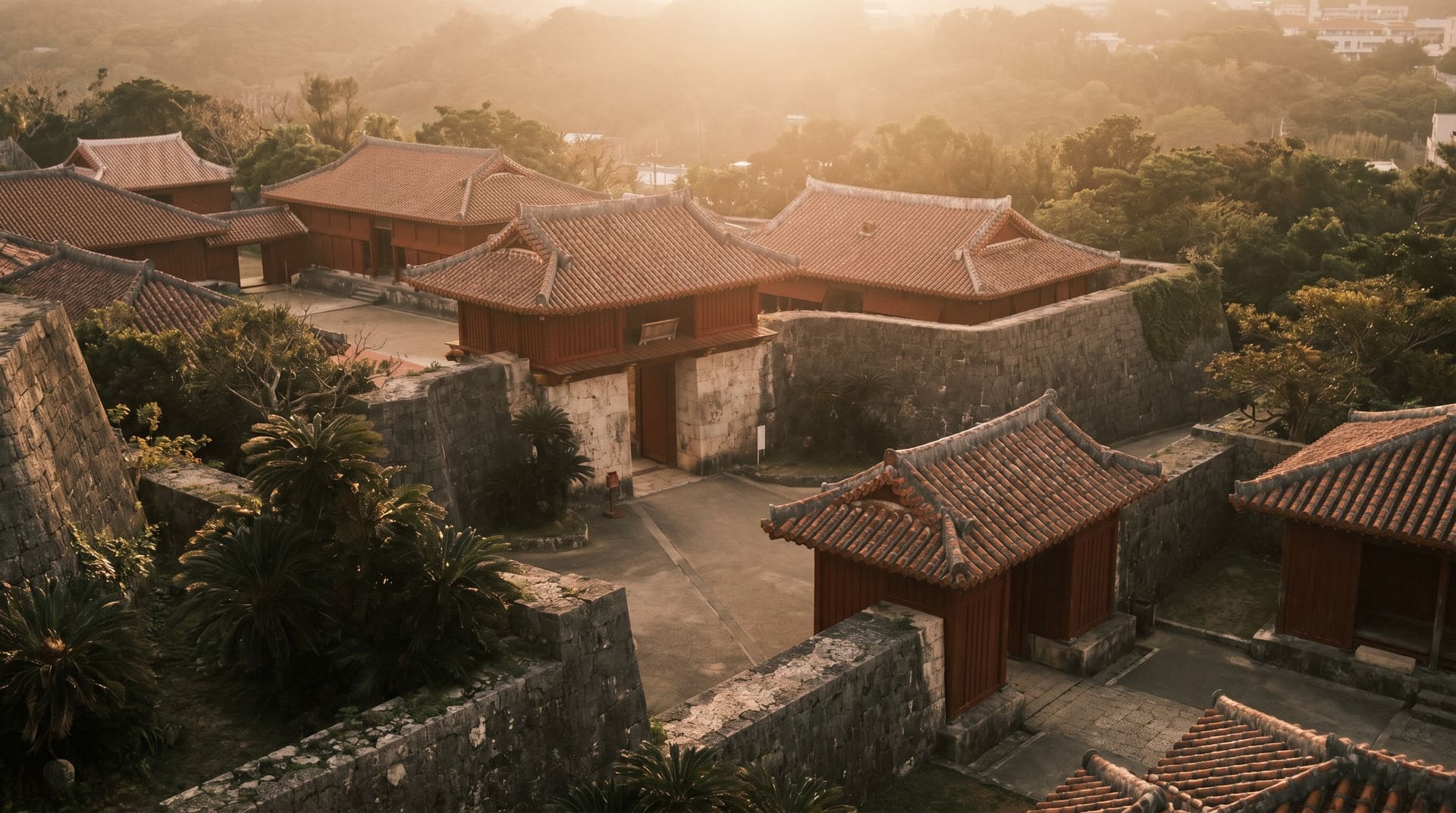
9.2Naha, japan.
A budget asia option with workable visa-free EU access.
asia
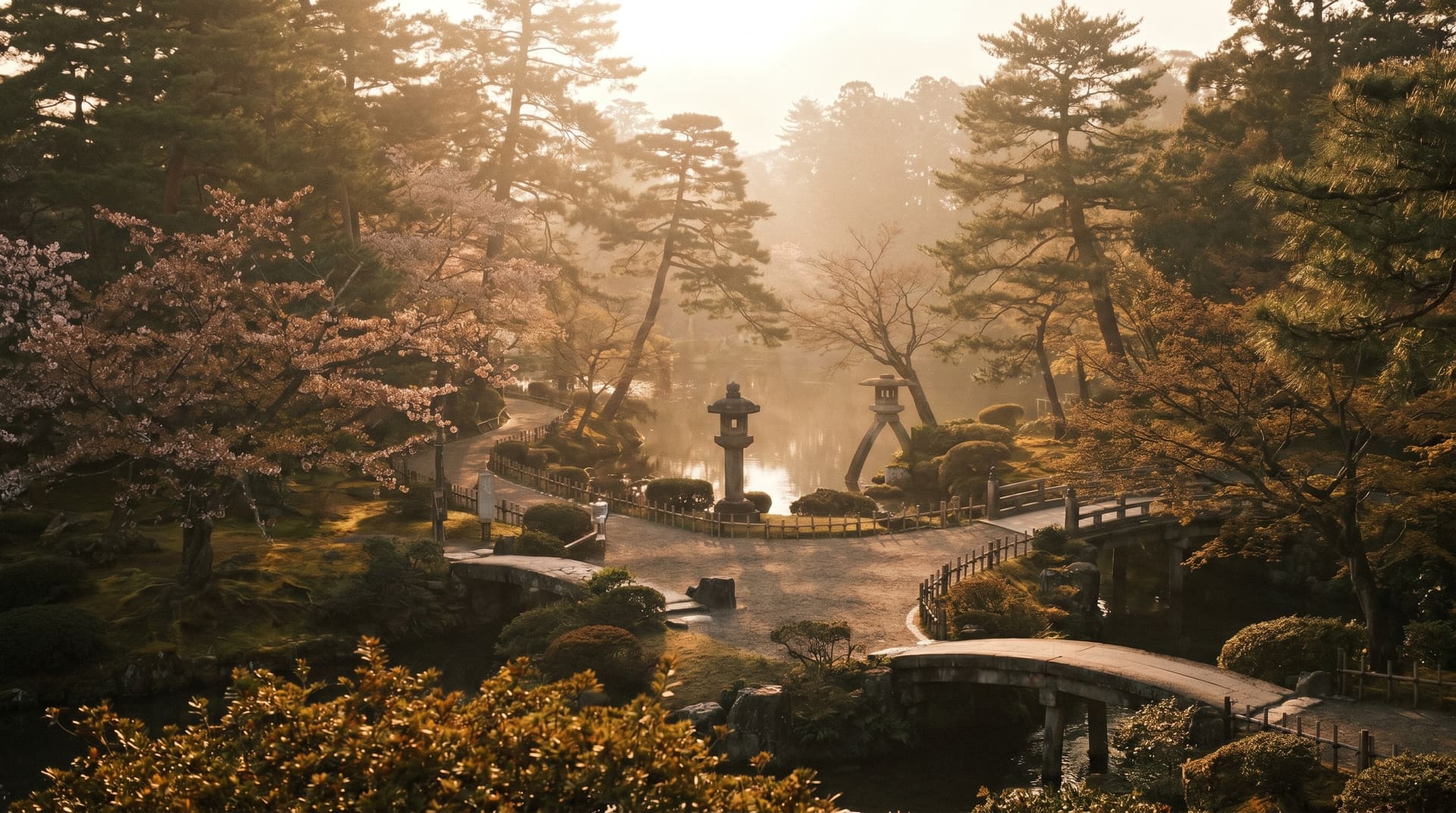
9.0Kanazawa, japan.
A budget asia option with workable visa-free EU access.
asia
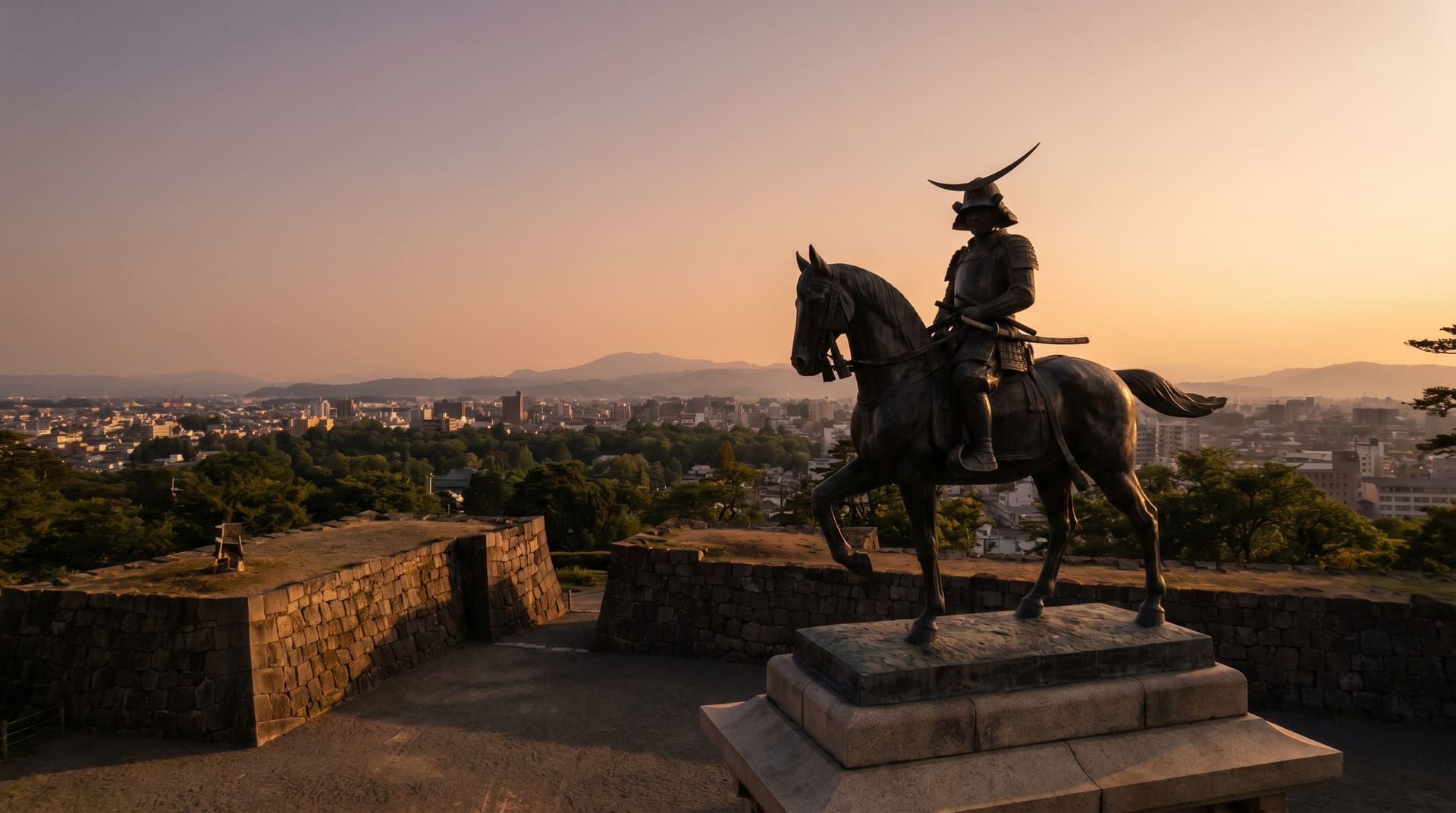
8.9Sendai, japan.
A budget asia option with workable visa-free EU access.
where Paro ranks
Paro also makes these lists.
frequently asked
Paro, honest answers.
- How much does it cost to live in Paro per month?
- Solo monthly burn in Paro is estimated around $746, covering a central 1-bedroom, food, mobile, utilities, transit, and a small coworking allowance. This is a pipeline estimate; rent verified for cities marked with the ✓ badge.
- How is the air quality in Paro?
- Annual PM2.5 averages 9 µg/m³, which above WHO target but moderate. The 12-month curve on this page shows the seasonal swing, many cities have a sharp burning season or winter inversion that doesn't show in the annual number.
- Are there earthquakes in Paro?
- Yes, the historical record includes 30 M5+ earthquakes and 3 M6+ within 200 km over the last 50 years. The largest was M6.9 in 2011. Modern buildings in major cities are engineered for this; factor it into long-stay decisions.
where it is
Paro on the map.
Paro, Bhutan, Asia.
27.4287, 89.4164
Map tiles & data © OpenStreetMap contributors.